Lowest Tide

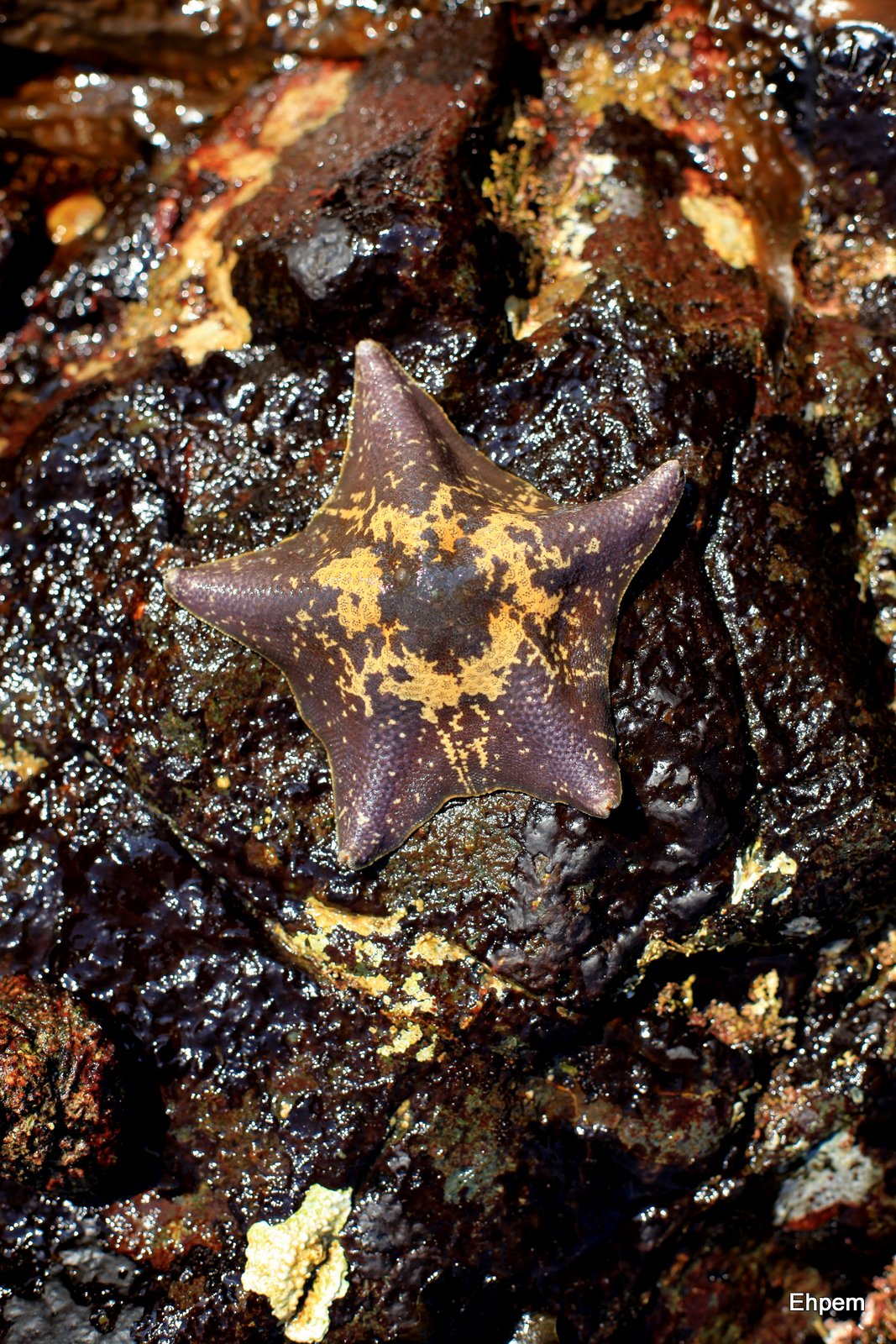
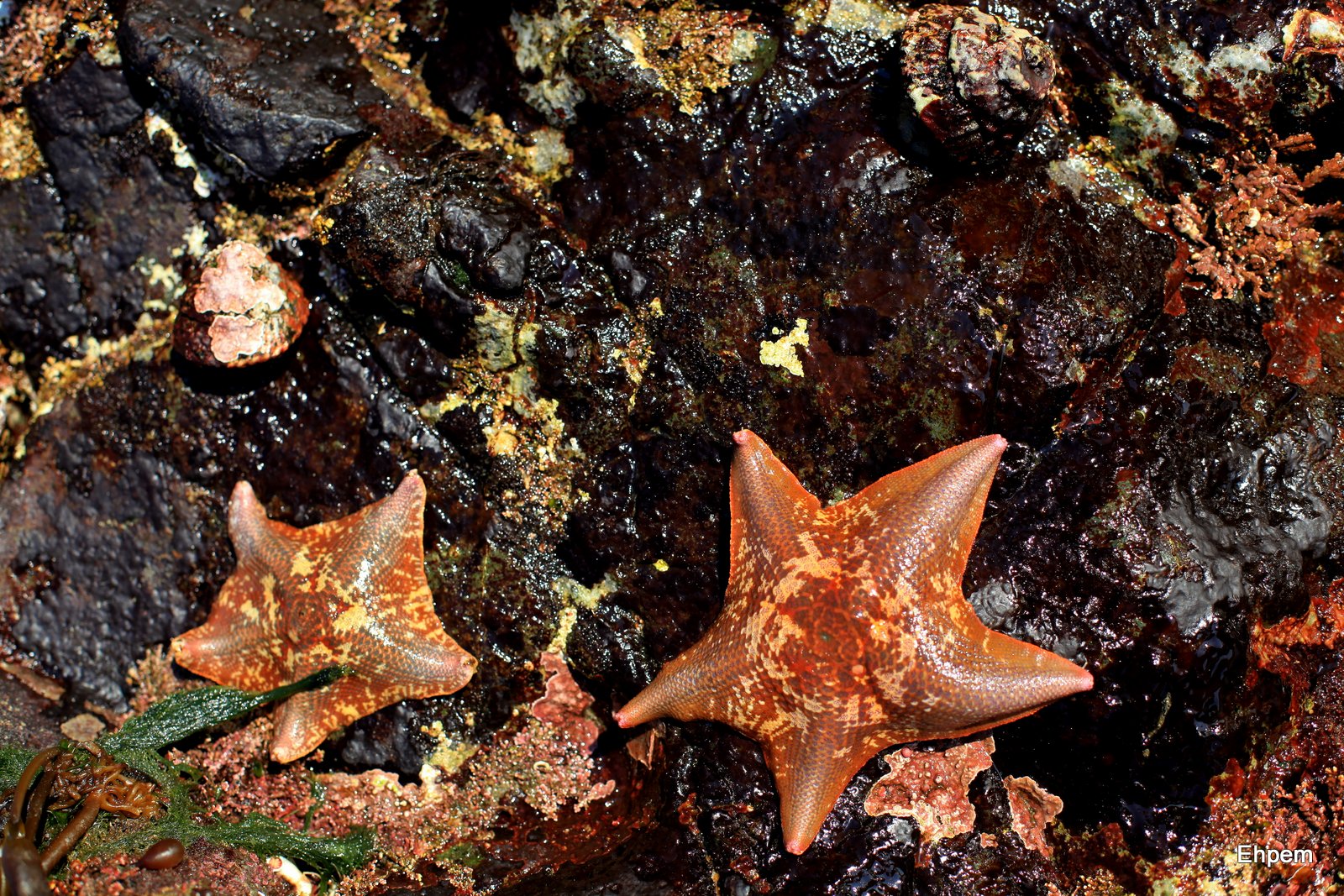
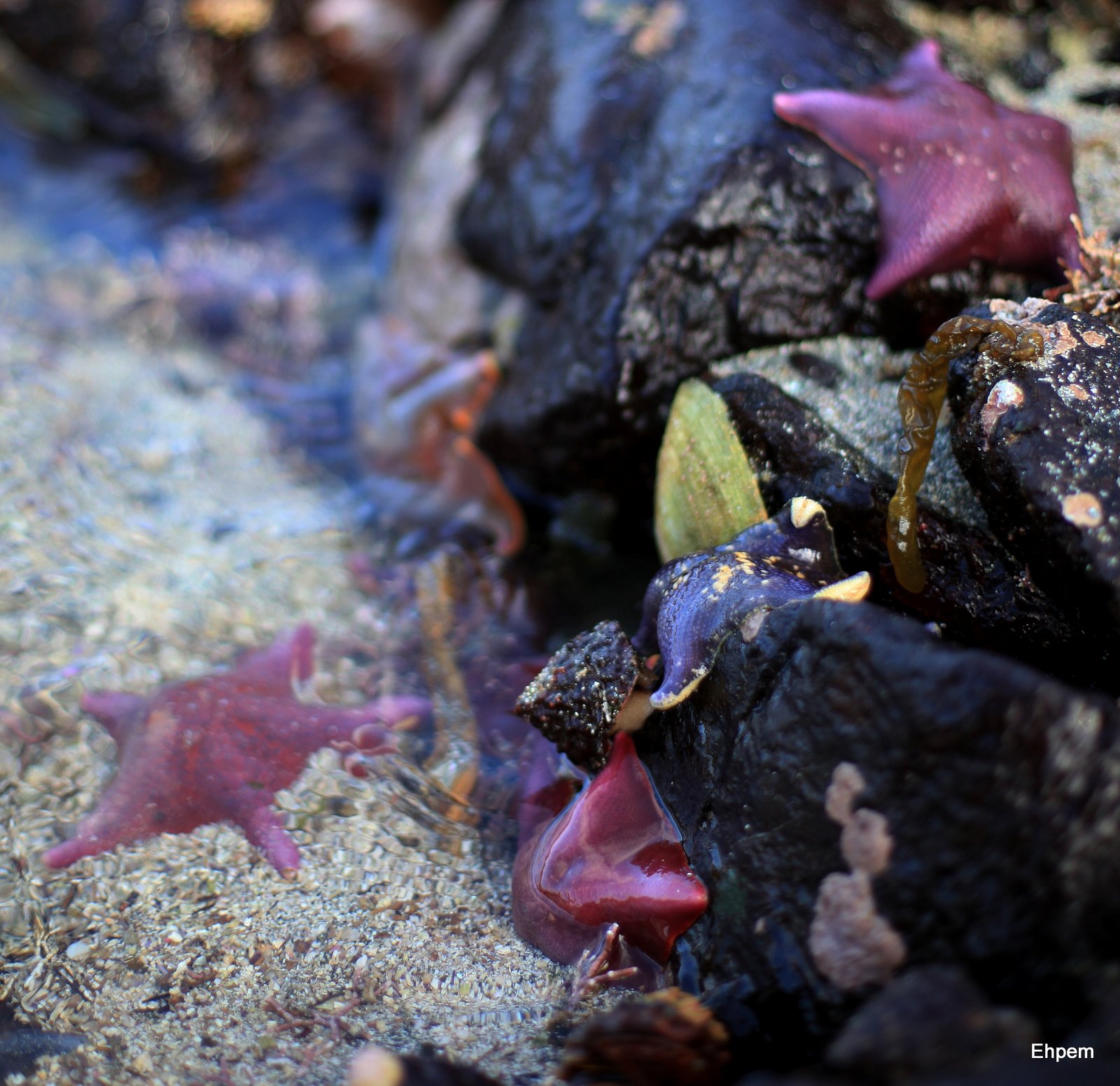
As a follow-up to yesterday’s Seaweed Dawn post showing Fucus glowing in the yellow light, today’s post shows the very lowest intertidal edge, pictures taken at the lowest tide we experienced during the Kilgii Gwaay archaeology project this year. This post features bat stars and turban snails and a lot of other things that I am not familiar with and have not looked up either. Bat stars come in an incredible variety of colours, but I think are all one species. I am pretty sure these are the Red Turban snails (Lithopoma gibberosa). They are said to be good to eat, though I have not tried them. They have large operculum which is an oval-shaped flat shell disc that is used to close the entrance to the main shell. Turban snail opercula are used as an inlay to decorate Northwest Coast boxes and masks and other wood carvings.
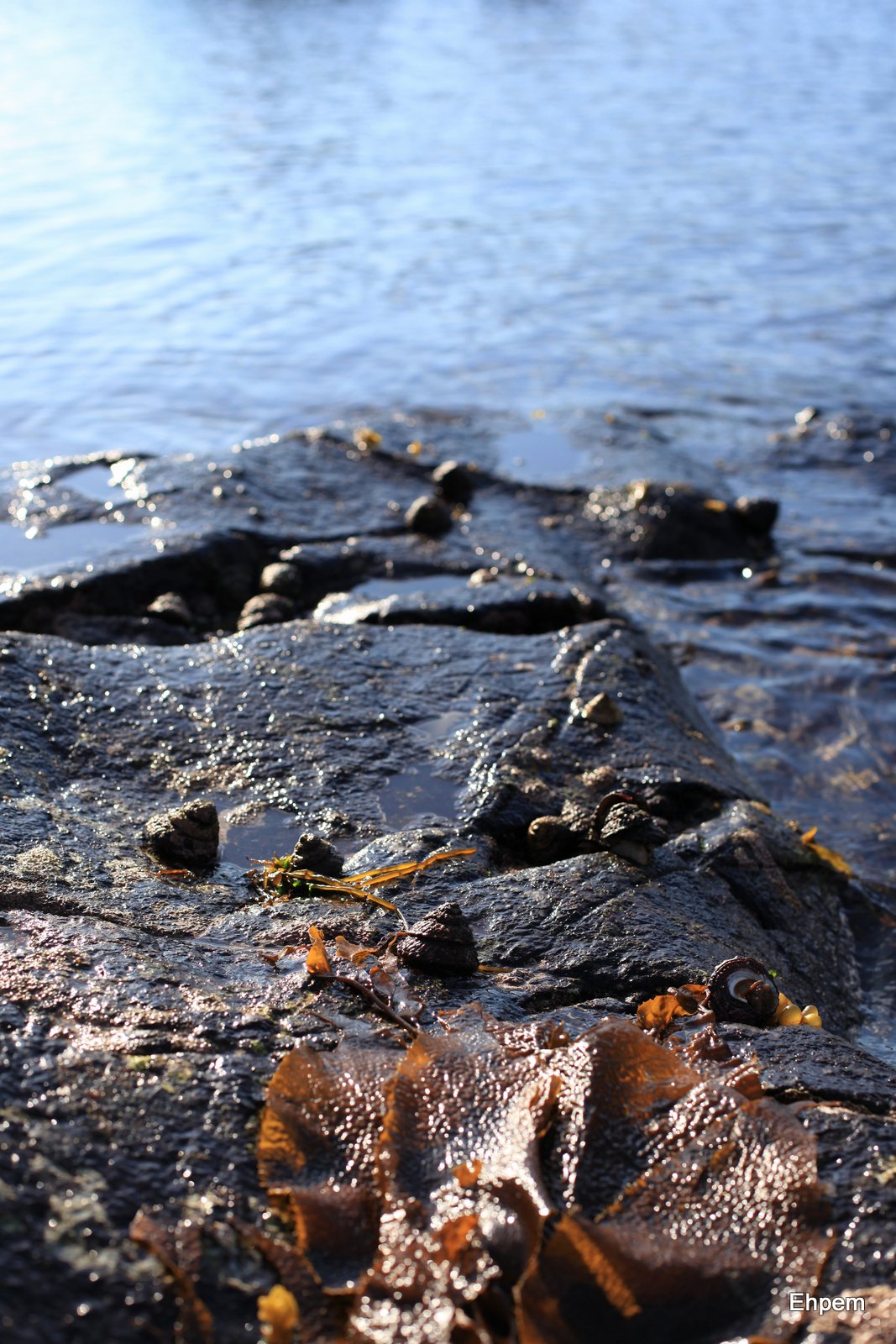
turban snails
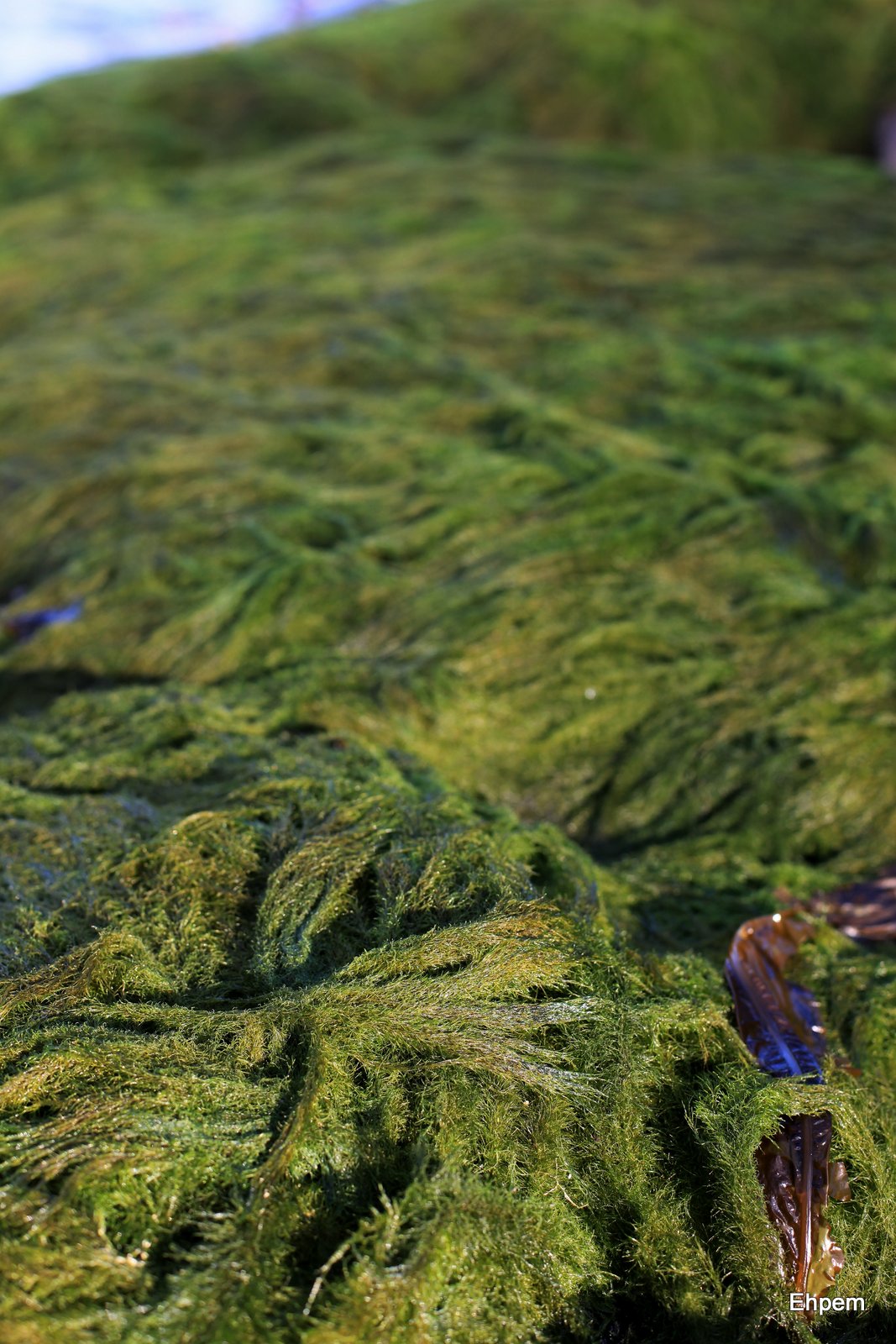
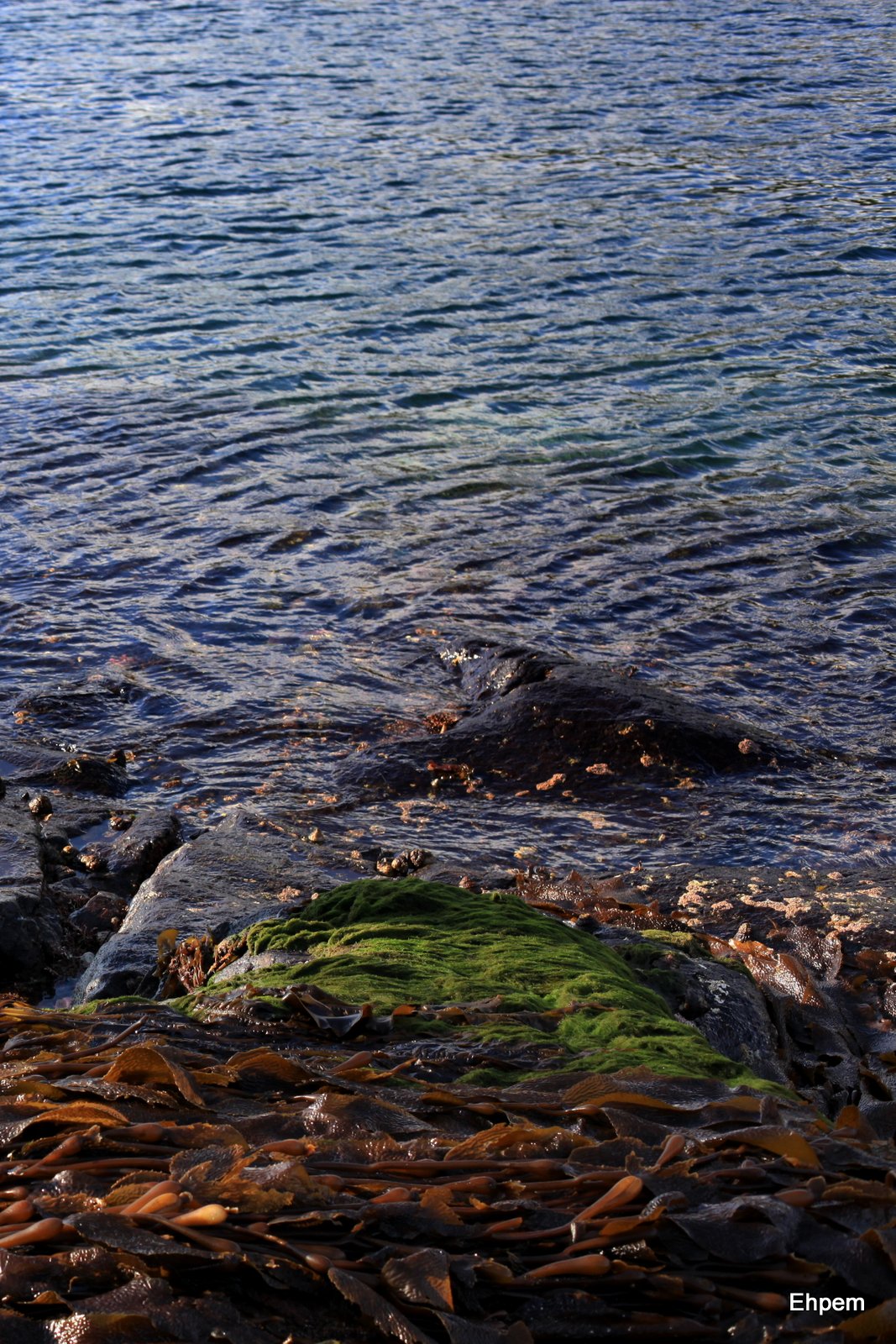
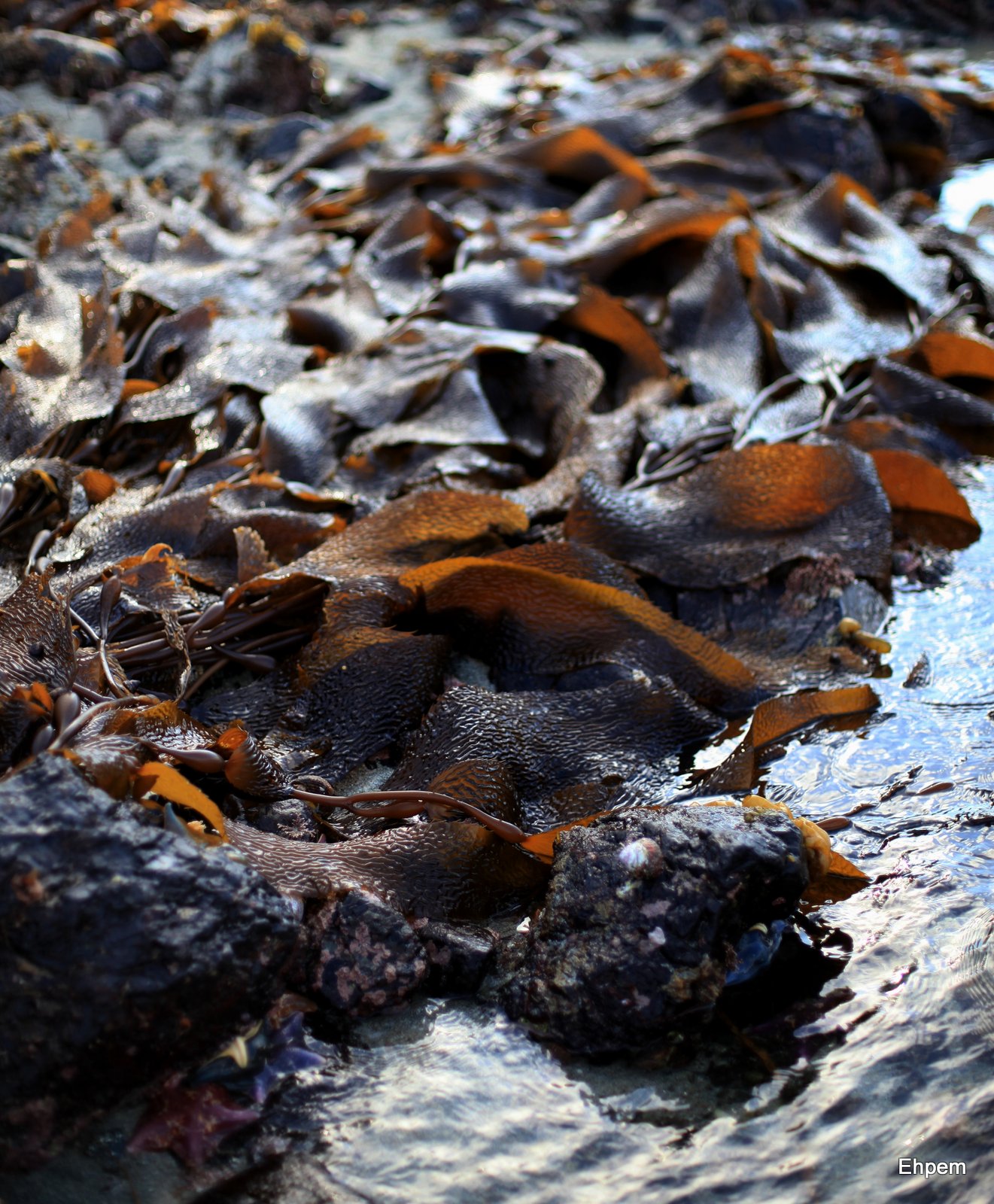
There are also some interesting seaweeds at these lower tidal levels – the kelp fronds are in the lower tidal reaches, the green algae(?) I only noticed at the lowest levels.

green and brown seaweeds
This link catalogues my posts about volunteering on the Kilgii Gwaay archaeological site project.
To open the gallery below, click on any image then use the arrows to navigate and escape to return to this page.
-
- green seaweed landscape
-

- green seaweed

-
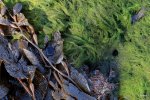
- seaweeds
-

- kelp fronds detail

-
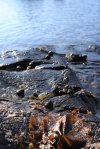
- turban snails
-
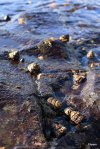
- more turban snails

-
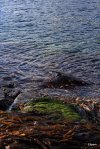
- water’s edge, sea weed and turban snails
-

- bat stars at lowest tidal edge with kelp
-

- bat star blending in
-
- bat stars
-
- bat stars at water’s edge

-

- bat star with kelp lair

-
- bat stars at water’s edge
-
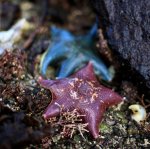
- bat stars

-
- bat stars
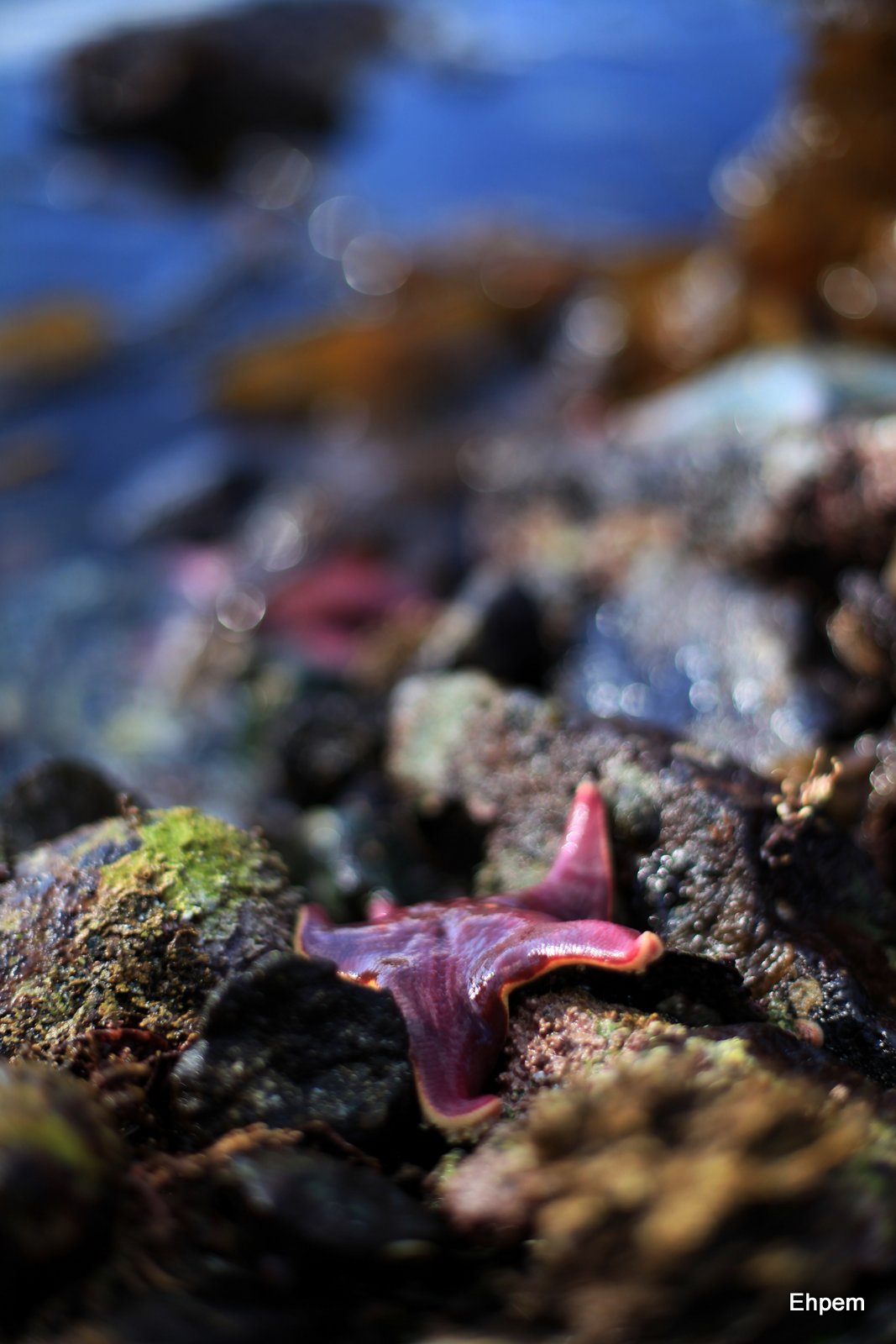
-
- bat star with turban snails

-

- bat stars details
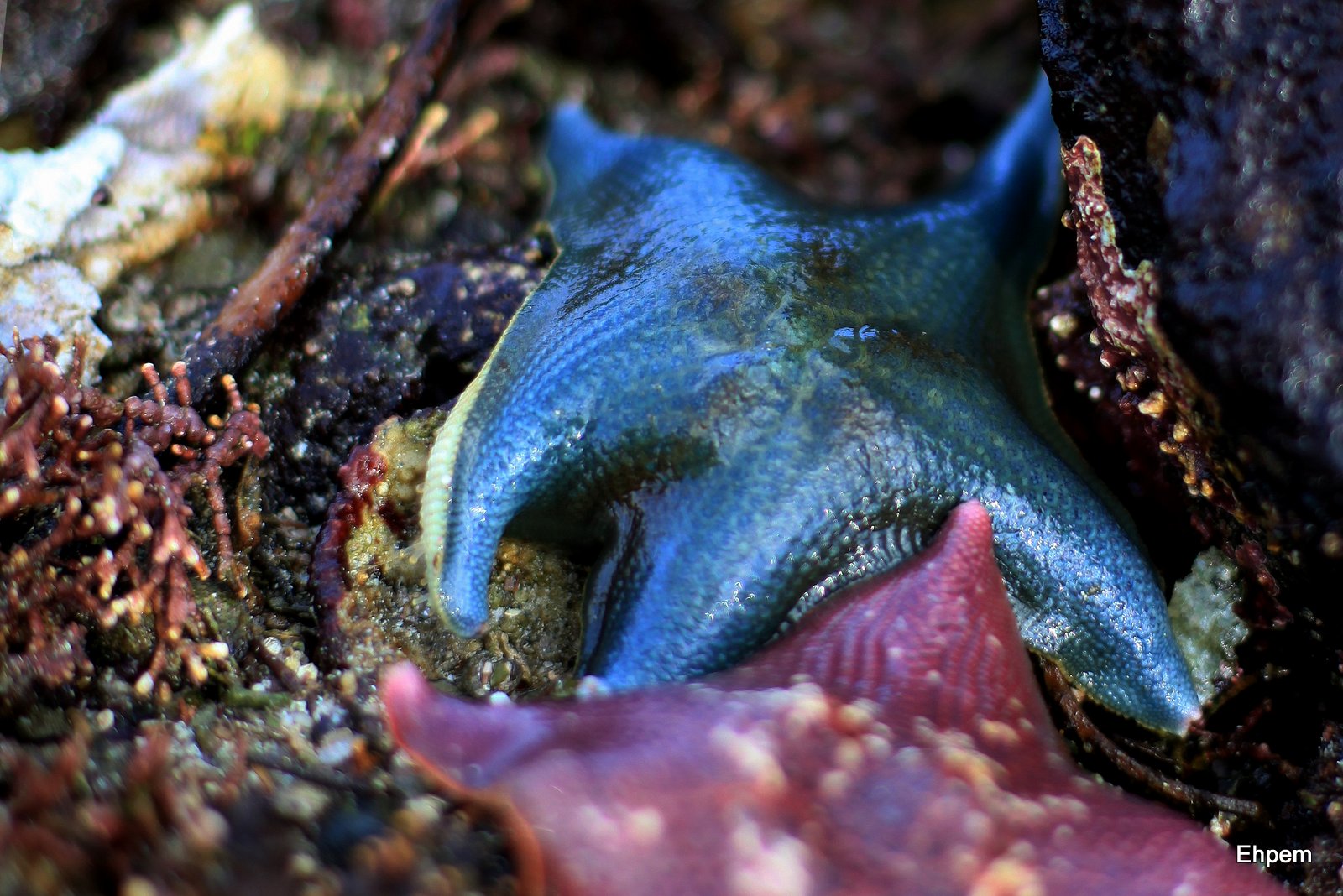
-

- bat star disguised

-
- bat stars in water
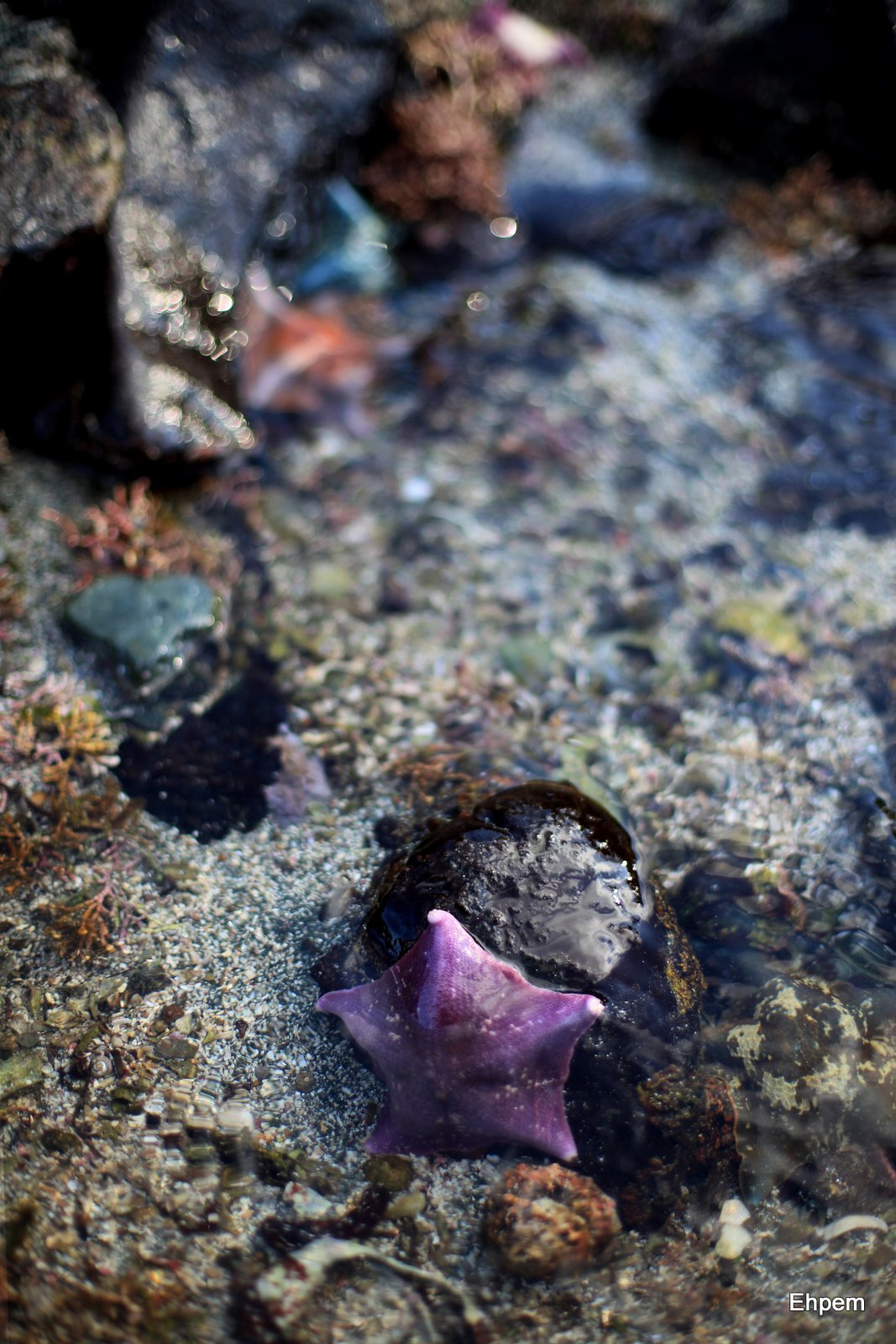
-

- bat stars in and out of water
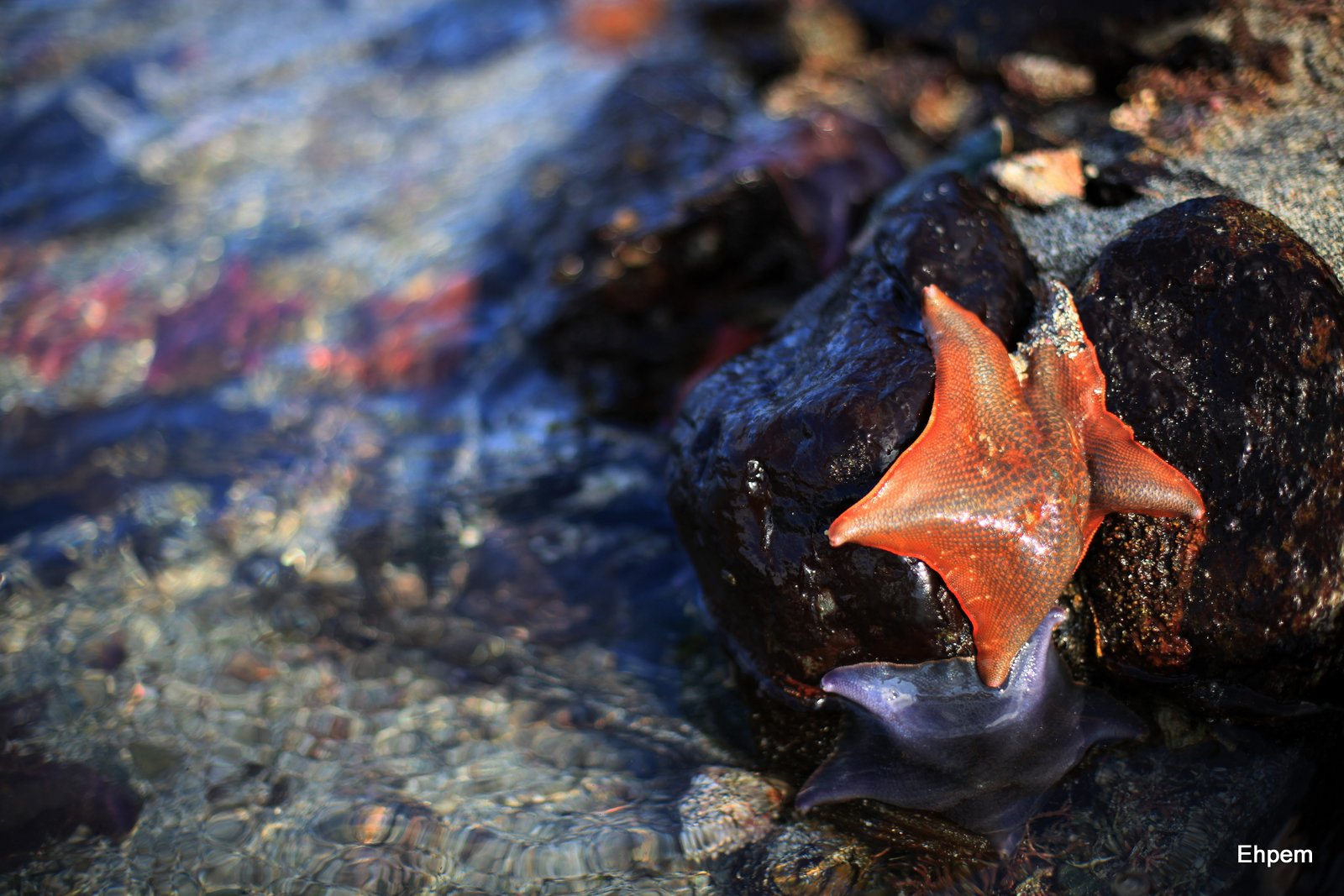
-

- bat star luminescent
Tansy, one of the Quimper Hittys came along and has blogged about the trip from a doll’s view and you can find those posts here while this post has a good shot of a turban snail that gives a sense of scale and this one has some good shots of her inspecting the bat stars.
Canon 5Dii, Canon 50mm/f1.4, ISO200 (two shots at 640) see gallery for EXIF data.


Pingback: Protest « burnt embers
Beautiful! Fascinating study 🙂 Thank you.
LikeLike
Thank you. And welcome to my blog – thanks for commenting.
LikeLike
Wonderful. The texture and color in these tidal creatures and plants is amazing. Great photographs.
LikeLike
For me they are all the more amazing for hardly ever being visible. Even though I have spent a lot of time working on beaches at low tide, I have rarely seen such concentrated beauty as on this beach.
LikeLike
It is rather amazing. That black (blue) star it sublime. I’d kill forthat skin color.
LikeLike
Ha! I can just see it, you that colour, clutching a red urchin and slurping its yellow-orange contents. Wow!
LikeLike
My monster self come to life. 🙂
LikeLike
I’ve never seen anything like this – what an amazing array of shapes and colors! The texture on the kelp and seaweed photos is outstanding. Wow!
LikeLike
Hi Lynn – can you imagine a variety of starfish that could live in the garden – finding a blue one under a hosta or a brown and yellow one blending in at the base of a tree? Anyway, they don’t really like being exposed at low tide, which is why they live so low in the tidal range, so gardens will just have to do without. There are very few daylight tides every year when these can be seen, so its a real treat. I am glad these photos pleased you 🙂
LikeLike
What great imagery! Actually, there are a few daylilies that remind me of the starfish shapes 🙂
LikeLike
Surrogate starfish, and not slippery either. Sounds good to me. Your daylilies are terrific btw. I need to take some garden shots – our white calla lilies are in full swing right now, and very photogenic in the right conditions.
LikeLike
A wonderful set of close up seascapes. There are so many different coloured starfish! Beautiful.
LikeLike
Thank you Karen. I was surprised by them too – so many in one place. They are the same species, as far as I can work out.
LikeLike
Interesting collection. The “Kelp Fronds Detail” photo is worthy of your living room wall.
LikeLike
Thanks Ken. That kelp is amazing stuff. I wish I had taken more photos of it. It is really nice in b&w too.
LikeLike
I’m floored by the critters in those photos there. This entry made my morning! 🙂
LikeLike
Hi Isaac – welcome to my blog, and thanks so much for your comment – nice to make someone’s morning, that’s for sure. I was pretty floored by them when I came upon them – it made my morning.
LikeLike