Protest

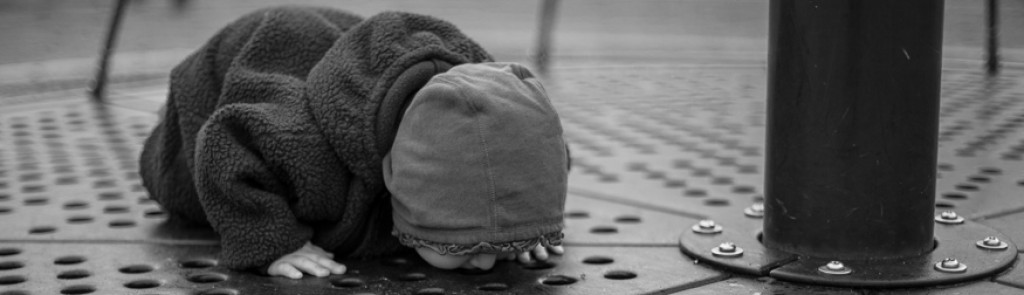
For the past few weeks I have posted about my trip to Haida Gwaii (formerly known as the Queen Charlotte Islands). The trip included some time in Charlotte (or the Village of Queen Charlotte to use its full name). A prominent feature of the main road in Charlotte and east to Skidegate (as far as I went) are the signs protesting the proposed pipeline that would bring, every day, 550,000 barrels of oil from the Alberta tar sands to a proposed loading facility at Kitimat on the mainland shore due east of Haida Gwaii. The pipeline would result in large numbers of ships taking oil to the Chinese market and bringing back the condensate (about 200,000 barrels a day) used to help the oil flow in a pipe. The condensate would return in a parallel pipeline back to Alberta. There has been a moratorium on tanker traffic in Hecate Strait for decades and people remember vividly the scenes from the Exxon Valdez oil spill further up the coast in Alaska, the effects of which are not yet over (for instance, the survivors of one resident pod of Orcas stopped reproducing and is expected to die out in the next few years).
(more…)
Queen B’s
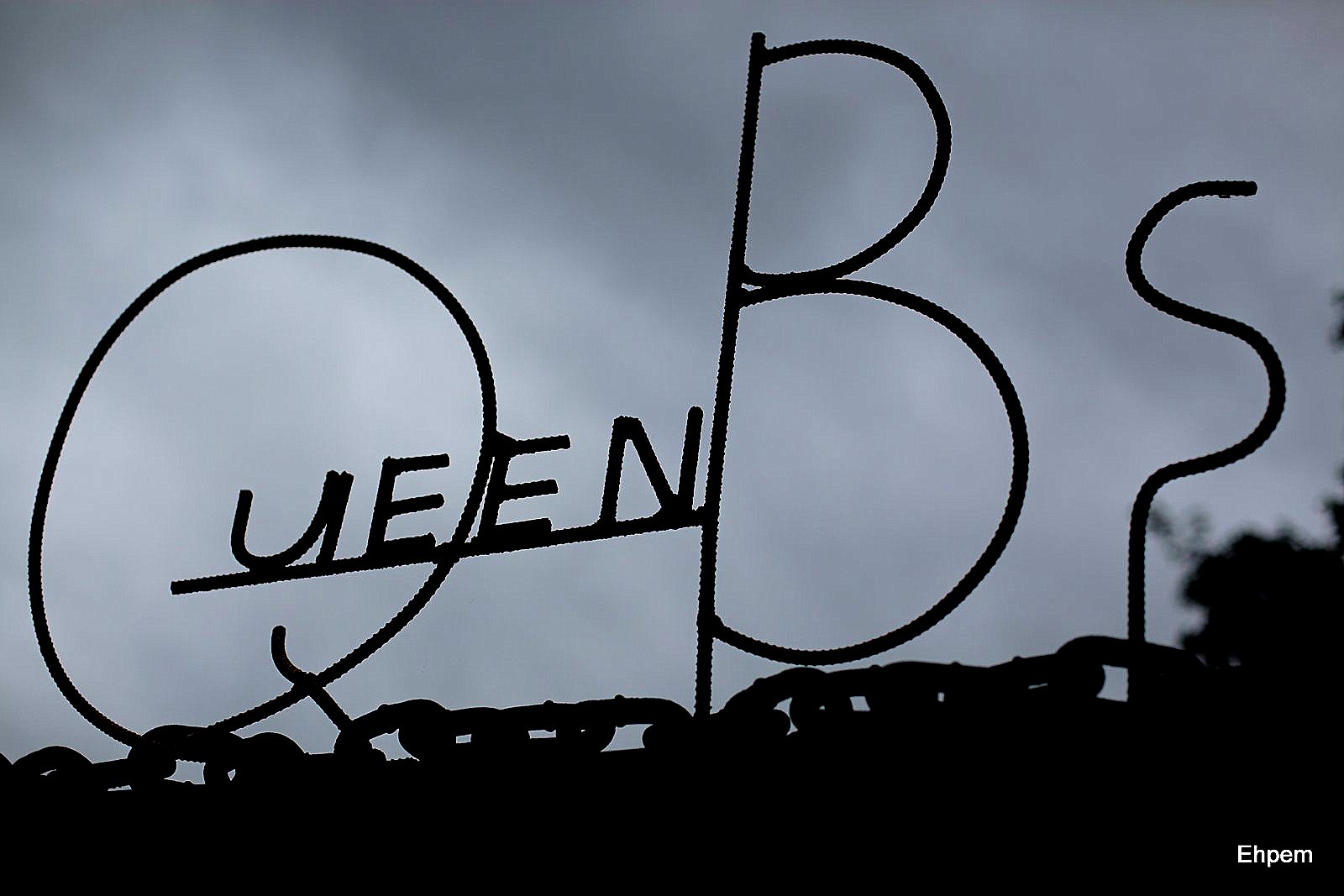
As I explained in my first Haida Gwaii post, the trip included brief layovers in Charlotte located on the south shore of Graham Island. One stop was to allow us to get gear and supplies together for the trip to Kilgii Gwaay; the other was on my way home waiting for the flight out and running some errands around town to help close off the first phase of the project. This post takes us back to Charlotte. I hope to get one more post about the Kilgii Gwaay archaeological project at a later date, but I am not sure when that will be possible.
Those of us leaving the project (Dale and I), or going out on a rest break (Goox and Gwaliga), flew from the site in a float plane, leaving behind the project leaders who stayed in Gwaii Haanas for 6 weeks without a break. I expect they are pretty worn out by now – they are just arriving back in town as I wrap up this series. Hard to believe I squeezed a whole month of posts out of this trip, but I did!
(more…)
SGang Gwaay Watchman
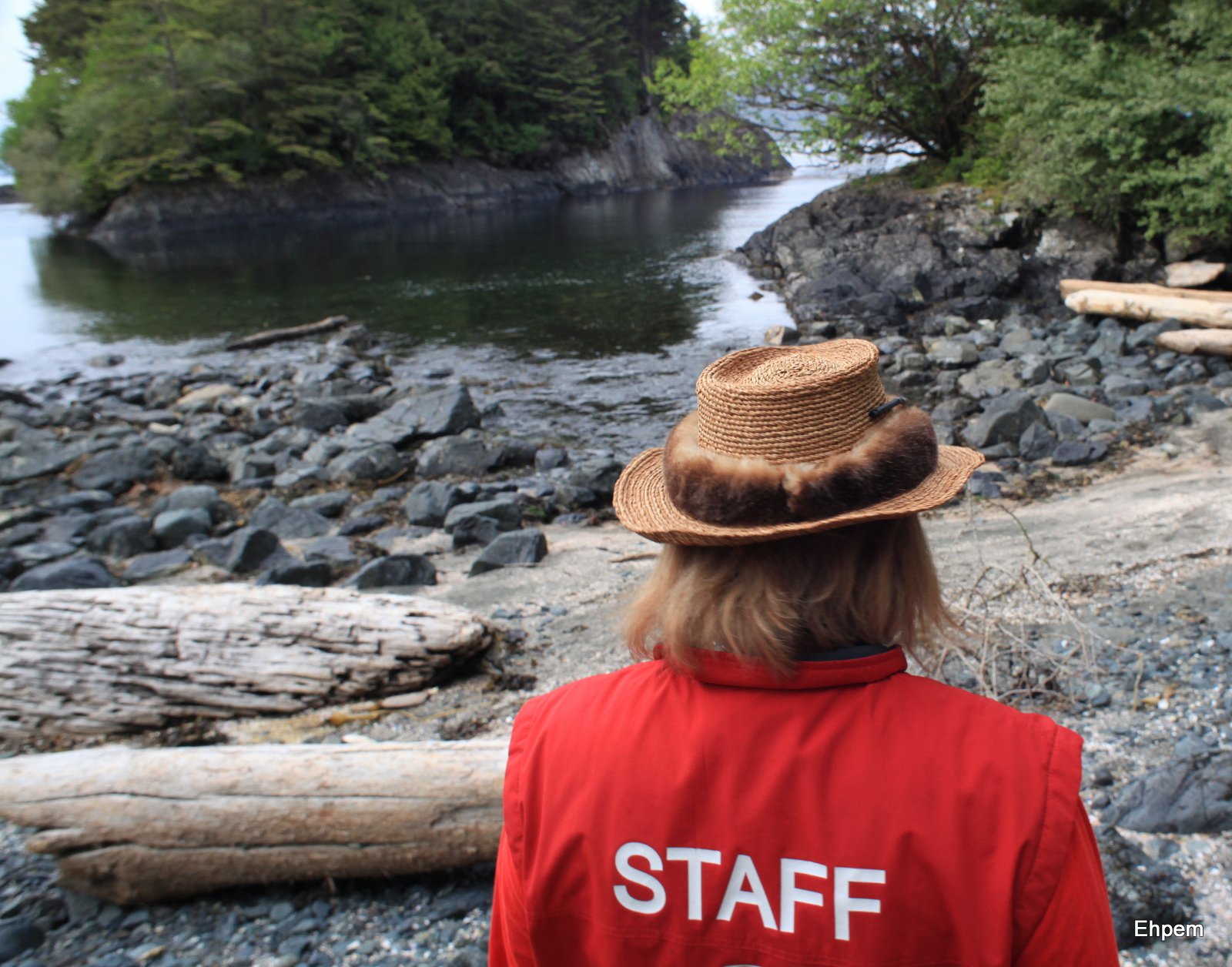
SGang Gwaay Llnagaay is one of Haida heritage sites that is under the stewardship of the Haida through the Haida Gwaii Watchmen Program. The Watchman program takes its name from Haida stories of the Watchman, frequently found in their art and on house frontal poles. Thus, the gender of the name is not a concern to the modern watchmen. Traditionally they kept a watchful eye out for enemies and other events important to their communities. In Gwaii Haanas and elsewhere on Haida Gwaii there are several Watchman stations set up. For much of the year they are the residences of Haida people who keep an eye on the site that they are associated with and the surrounding waters and lands. They act as tour guides, both providing information to visitors and guiding them through the sites in a way that best protects them from wear and tear. They also take part in conservation programs to help maintain the sites for future generations. Typically there are a mix of knowledgeable older people and younger ones stationed together. While living at these stations they also conduct a number of traditional activities, and teach the younger people how to make things, gather and prepare food for eating or storage and so on. Not to mention a lot of other more modern life skills like operation and maintenance of generators, marine radio and boats.
(more…)
SGang Gwaay Llnagaay II

Three weeks ago (I can’t believe it was that long ago) I posted some high contrast black and white shots of SGang Gwaay, and in that post I give some background on the place as well.
Today I add some colour to that series, some that I de-saturated a few weeks ago and which I think now I would leave in their full colour. Plus one black and white, because it is a nice setting shot. Anyway, its what I have lined up so here they are. I hope you enjoy them.
(more…)
Tidal Edges

A few shots from around the south edges of Kilgii Gwaay site and island. I don’t think I have used any of these before in black and white. This is a quick reminder of some photographs from the past few weeks posting about my visit to Gwaii Haanas – part of a wrap-up with a couple more posts.

Haida Canoe Unfinished

Another interesting thing to look at in Rose Harbour is found in the woods behind the houses. This is an unfinished Haida canoe, left to rot probably 125 or 150 years ago. Haida canoes are made from Western Redcedar logs, which were felled and segmented to the right length and then split in half. Sometimes two canoes could be made from the same log segment. Typically the bottom is shaped first and then they are rolled upright and the inside hollowed out. Once shaped properly they are steamed and the sides are stretched open wide so that they have the appropriate shape to reduce rolling and otherwise increase seaworthiness.
For some insight into Haida canoe making, this article makes an interesting read. For more general information on aboriginal canoe manufacture on the Northwest Coast check out this blog post and this one. In this blog post about making a spruce dugout, Quentin Mackie, one of the leaders of the Kilgii Gwaay project, points out that the technology to make dugout canoes exists at the Kilgii Gwaay site, and even though cedar was not yet present in the area when it was occupied, spruce was. The presence of wedges and wood chips from adzes or chisels at Kilgii Gwaay would suggest that making a canoe like this one might have been done in this area 10,700 years ago, and thousands more times since then.
(more…)
Top Posts & Pages – Click Thumbnail To View


Recent Comments
♦ FUJITA (藤田光学工業) H.… on Fujitar P.C 35mm F2.5 Asahifle… ehpem on Child’s Grave Kyle Hoyt on Child’s Grave ehpem on Charles Elliott Pole, Universi… Lisa Kadonaga on Charles Elliott Pole, Universi…


 burnt embers
