
Winter Starts to Close
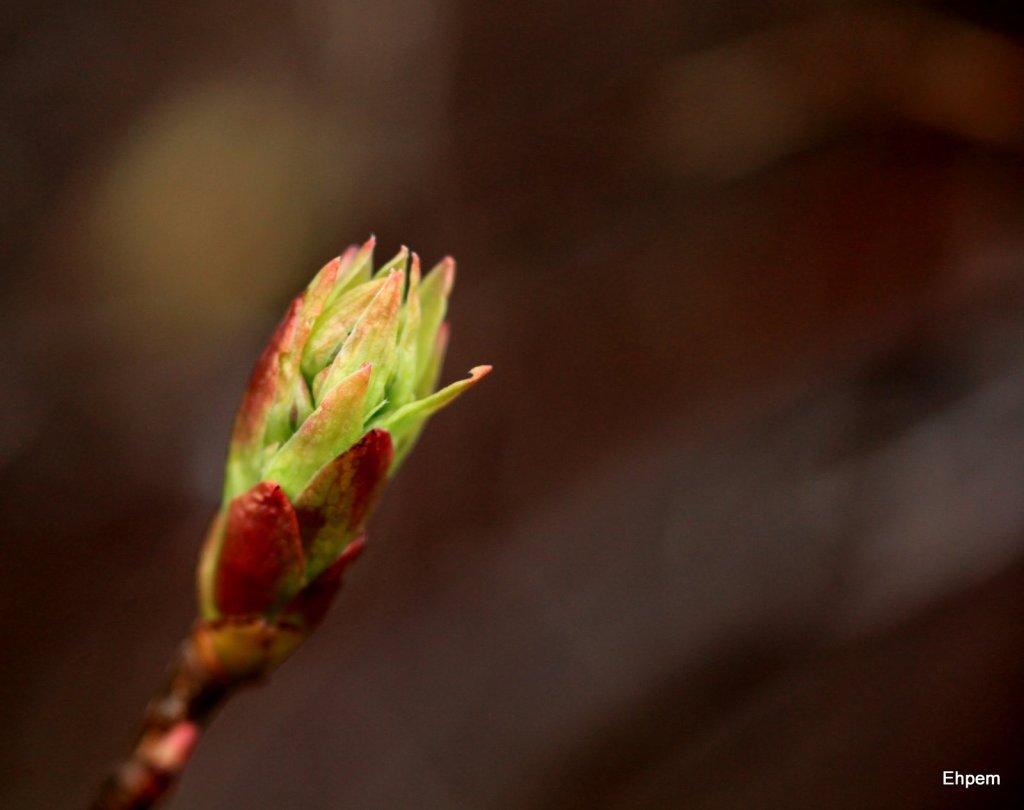
I have previously posted about Swan Lake which is a nature sanctuary in Saanich, just north of Victoria. My previous posts was about how it looked in the fall. This one is about the winter, but more than that it is about the emergent signs of spring which are to be found in the more sheltered parts.
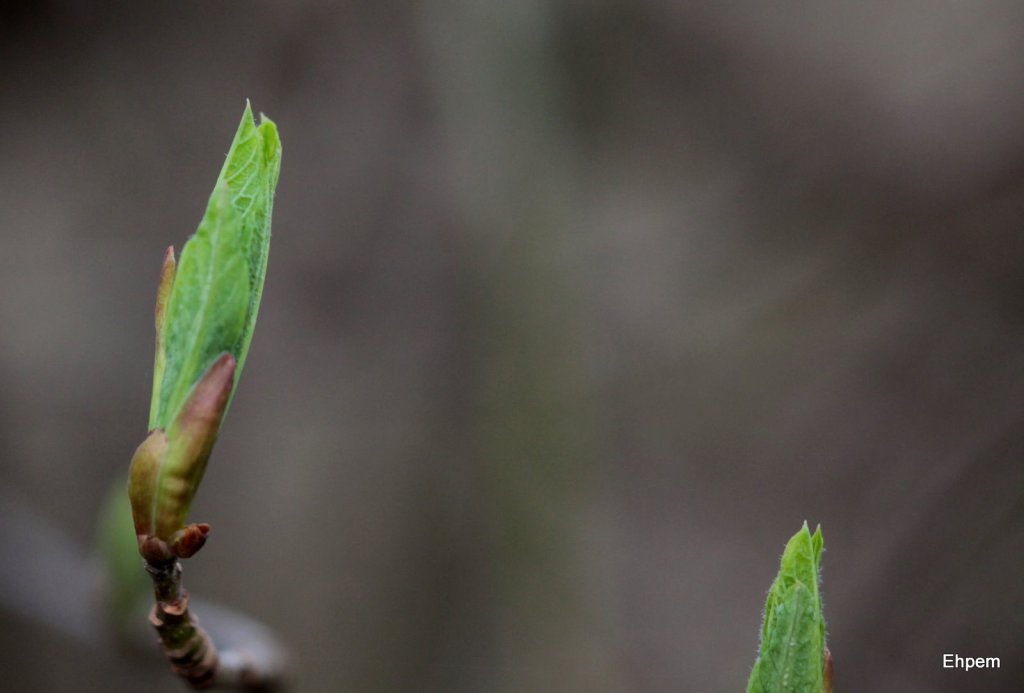
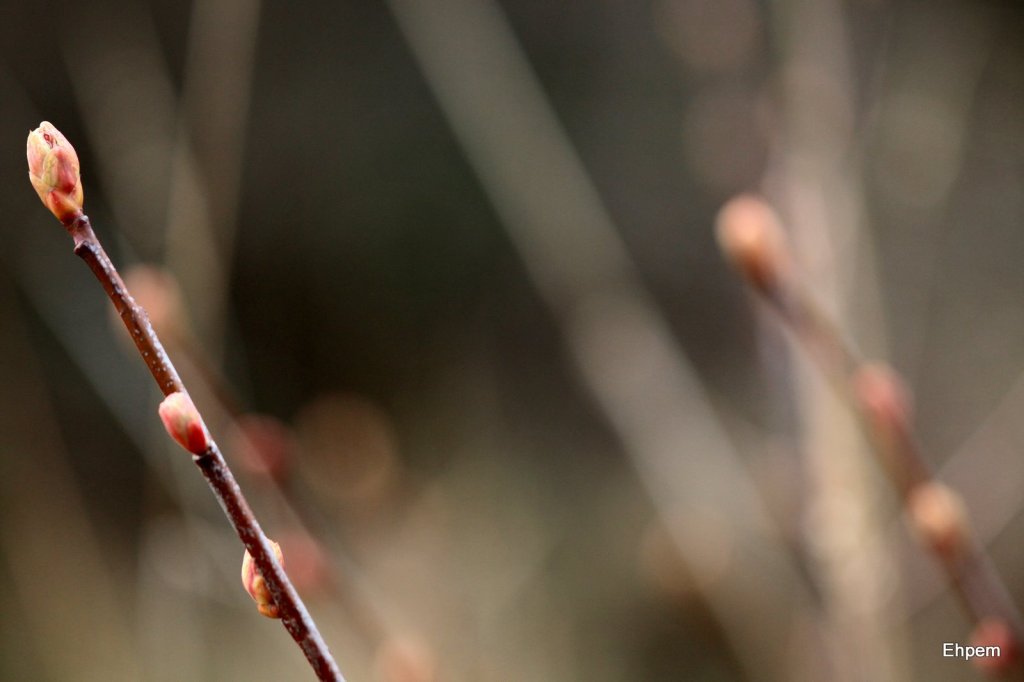
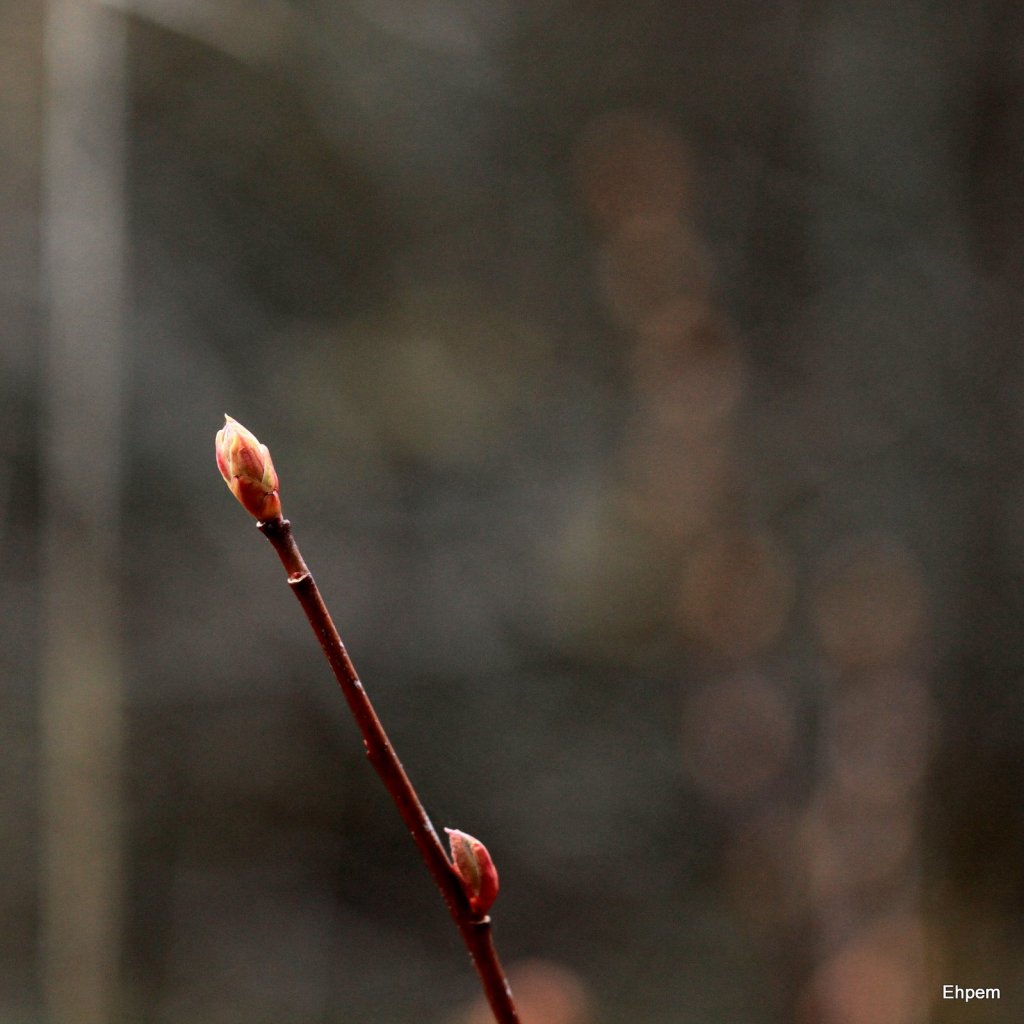
These signs are sparse and this is reflected in my photographs. But, there are young leaves on what is most likely Elderberry, and other shrubs were showing similar signs of life. Even the Garry Oak has some grey buds on it, all ready for a bit more encouragement. There are still abundant Hawthorn berries – it’s as if the birds here don’t eat these berries, or perhaps they have to be frozen hard a few times before they are ready, or some other process which has them waiting in a larder for future meals. The snowberries are mostly gone, or in very poor shape now. The ducks are pairing up and so apparently are the squirrels.
.
.
.
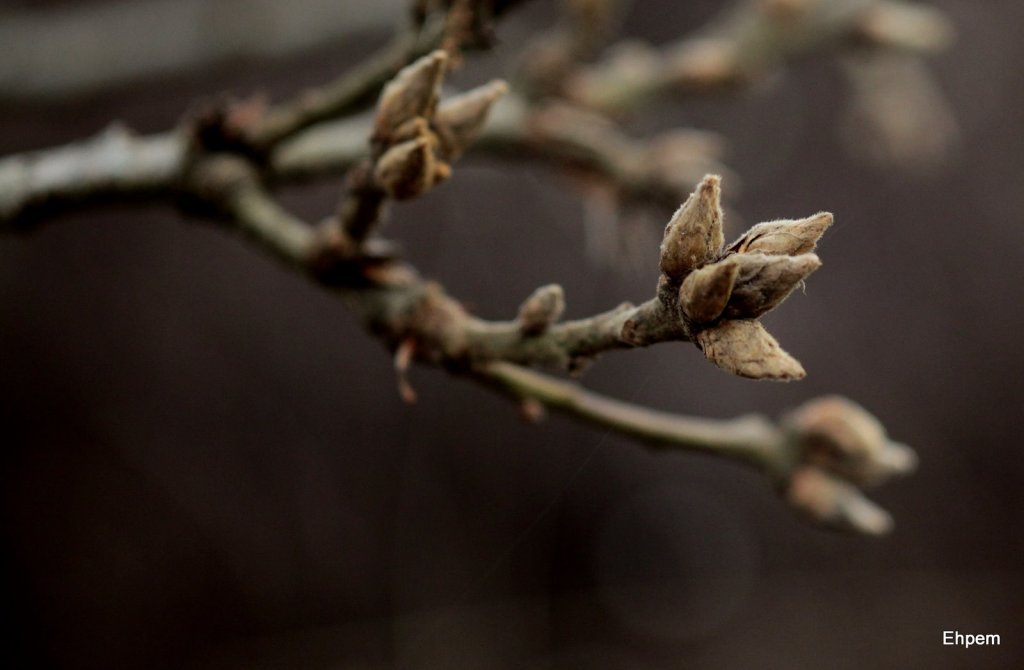
.
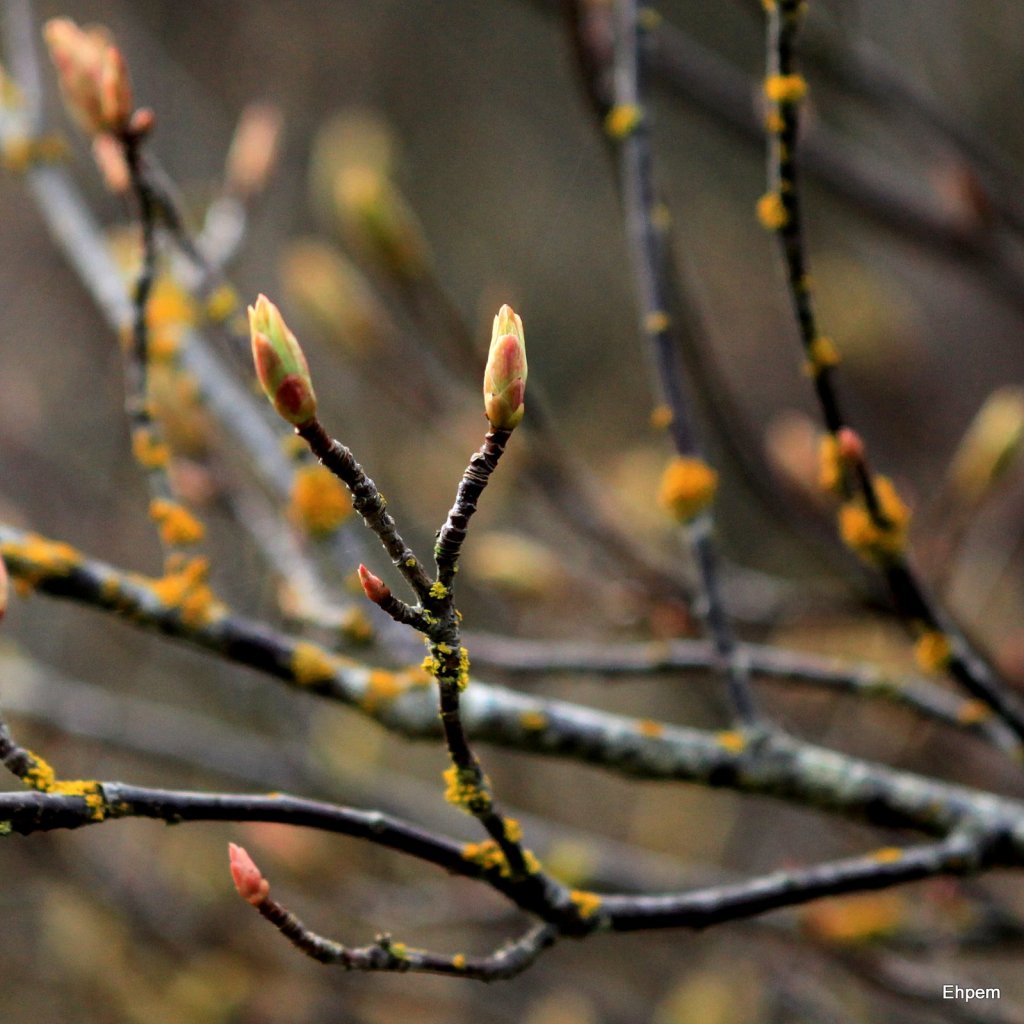
.
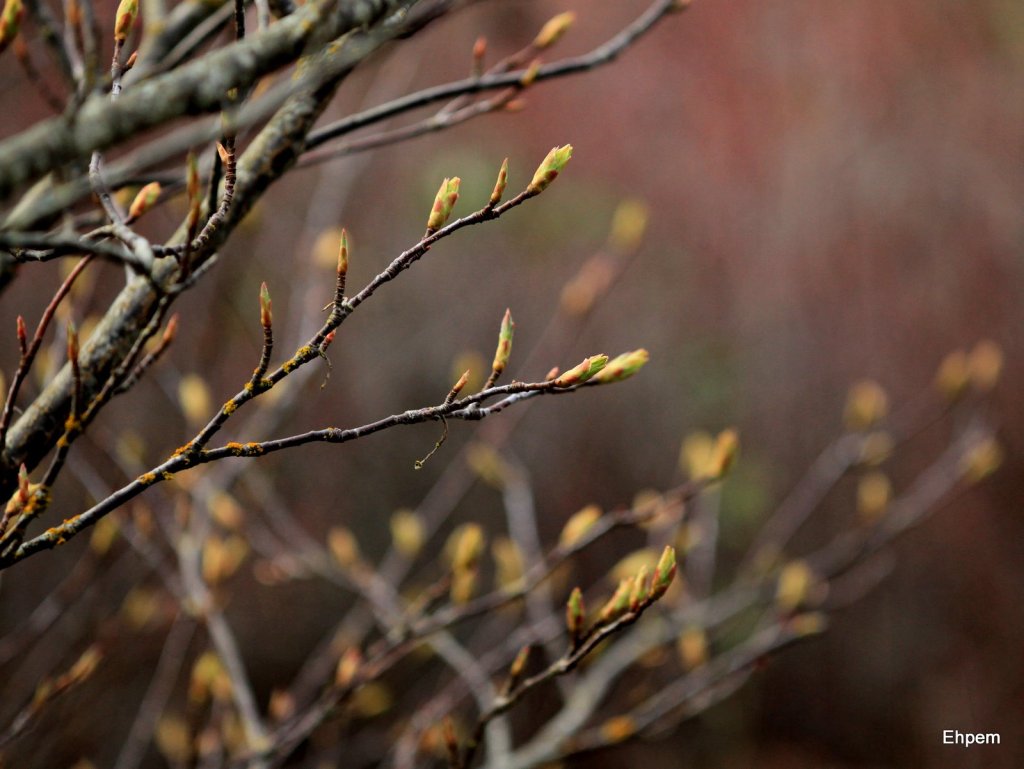
.
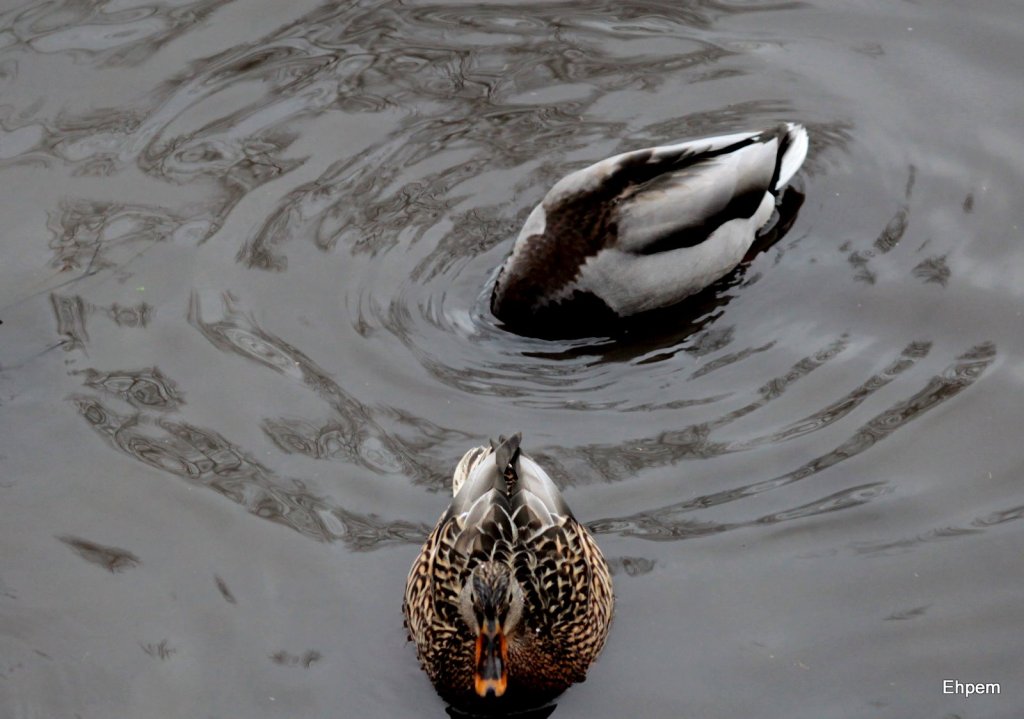
.
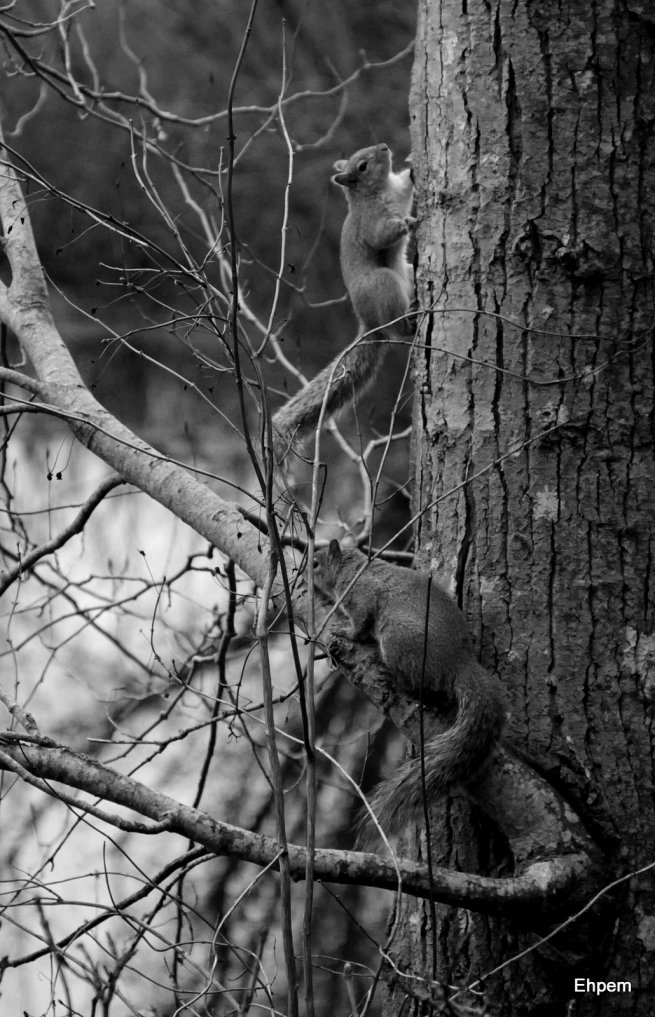
Canon EOS 5D mkii, SMC Takumar 100/f4 macro, ISO 1250, various shutter and aperture settings.
.
.


 burnt embers
Friday was a gray drizzly day but I did get out for a bit and saw many of the same things. Beautiful use of DoF!
LikeLike
Hi xinapray – thank you for your comment. I love the DoF effects from that lens.
LikeLike
Excellent compositions. The macros are particularly striking and makes effective use of bokeh.
LikeLike
Hi elmediat – welcome to my blog and thanks so much for commenting. I really like the bokeh of the Takumar lenses.
I have been looking at your Dark Pines Photo blog (which can also be accessed via your gravatar if other viewers are interested). Some really interesting images on your blog, I am going to have to take a bit of time to have a good look.
LikeLike
Love that you ended this with the little critters, nice one my friend.
LikeLike
They are critters, and they had attitude too. One went above my head right after this and I honestly would not have been surprised if I need to wash my hair. He really wanted me to take my camera and leave.
LikeLike
Stunning details. I especially like the composition of the mossy, budding branches and the ducks. All of the shots are beautiful.
LikeLike
Thanks Ryan. I like those ducks too.
LikeLike
Wow! These are very beautiful. Loved each one of them. Definitely brought smiles! 🙂
LikeLike
Thanks Nandini – its great to make people smile.
LikeLike
Wonderful captures!! My honest reaction was ‘whoa’, I really like that black and white but the bokeh is also fantastic!!
LikeLike
Hi Jaunita – thanks so much. The bokeh on the Takumar lenses is really very good. If click on my Macro category tab at the top of my blog, you will find lots of Takumar photos with a good variety of bokeh (dependent on the f-stop which variant we get). I should have kept the duck and squirrel pictures for a second post – they are a bit out of place here, and I am a bit stretched for images these days as I am not getting out with the camera as much as I would like.
LikeLike
those poor ducks. Looks like they have landed in a pool of mercury by mistake
LikeLike
It does look very metallic. I liked the circle of ripples around the drake, somehow I don’t think mercury would ripple quite like that as it is so heavy, but its a long time since we had pans of mercury in science class at school, and you can bet dollars to donuts that such demonstrations no longer happen in school science rooms.
LikeLike
“Winter starts to close”: what winter? After all the budding the ducks and squirrels came as a surprising contrast. All of them great photographs. Seeing spring puts a smile on the day. To me this posting in your blog is a “WOW” one.
LikeLike
Thanks Joseph – I suppose you are right, not much of a winter. But, we did have some freezing weather, some snow, a few windstorms. And, more to come I am sure. I have had some buds in my garden that have not gone away, but the young azalea flowers did get wiped out when it was cold and will have to wait to some other time.
LikeLike
I see that the branches on the shrubs have lots of yellow/orange lichen on them. We don’t see much of that here in Michigan so that caught my eye.
Because we’re having such a warm winter, I’m seeing the ducks pair up, too. I asked the owner of the bird seed store if that was unusual and she tells me she hasn’t seen it happen before. Squirrels here are still dancing but will start to nest in a month so their young are ready to venture out once the plants start to bloom a couple of months after yours begin.
LikeLike
Hi Doug – you do see the lichen on plants quite a bit, though it seems to be more common at Swan Lake – perhaps it is less disturbed and moister than many other areas. I am not sure what these squirrels were up to, I did not hang around long enough to watch. These large grey squirrels are the introduced species from eastern North America. The local species are not seen all that frequently around here.
LikeLike