Trafalgar Sunrise – Lens Test
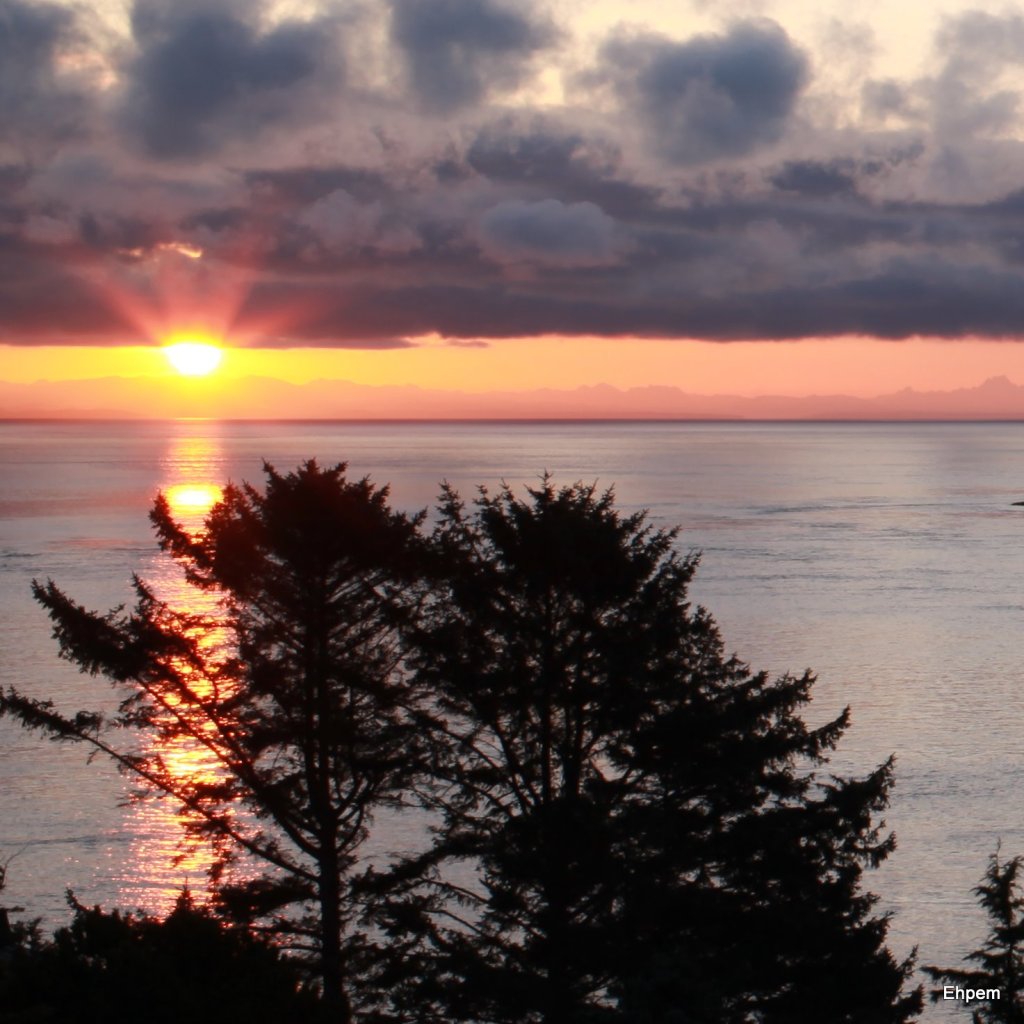
As I mentioned in earlier posts I have recently adapted a Nikkor 24mm/f2.8 lens and a Takumar 35mm/f3.5 to use with my Canon 5Dii. Adapting both these lenses required more than buying an adapter. The Nikon needed the removal of a rear flange, and the Takumar required a bit of filing around the upper part of the rear lens element housing. On Friday I went out to the high point in Trafalgar Park to see the sunrise, and take pictures. I decided to test the two wide-angle lenses against my Canon 50mm/f1.4 that I bought with the camera, for my own purposes. However, I have had a number of queries about adapting these old manual lenses so I have decided to post my tests for those of you that are interested or may be considering adapting some old lenses you have lying around, or which you can buy on the used market for a fraction of the cost of a new one. One of the real advantages of these lenses is for video work as it allows the f-stop to adjusted while you video, and as they are manual focus – this gives more of the “cinematic feel” missing from all but the most expensive dedicated digital video cameras.
Before buying a used lens read up on your camera and what will adapt to it on the internet since each model can be very specific (unless its very, very cheap like a $2 28mm macro that I bought – it won’t adapt to the 5Dii, but as it turns out will fit on my son’s Micro 4/3 to which nearly anything will adapt, if what I have read is correct). For instance, the 35mm Takumar lens works fine on the EOS 5D, but on the EOS 5Dii it hangs the mirror up on its return – barely any contact, but enough to make it non-functional and potentially damaging to the mirror. Wider Takumar lenses don’t work and may not be able to be adapted. K-Mount Takumar lenses are said to not be able to be adapted to the 5Dii. And so on.
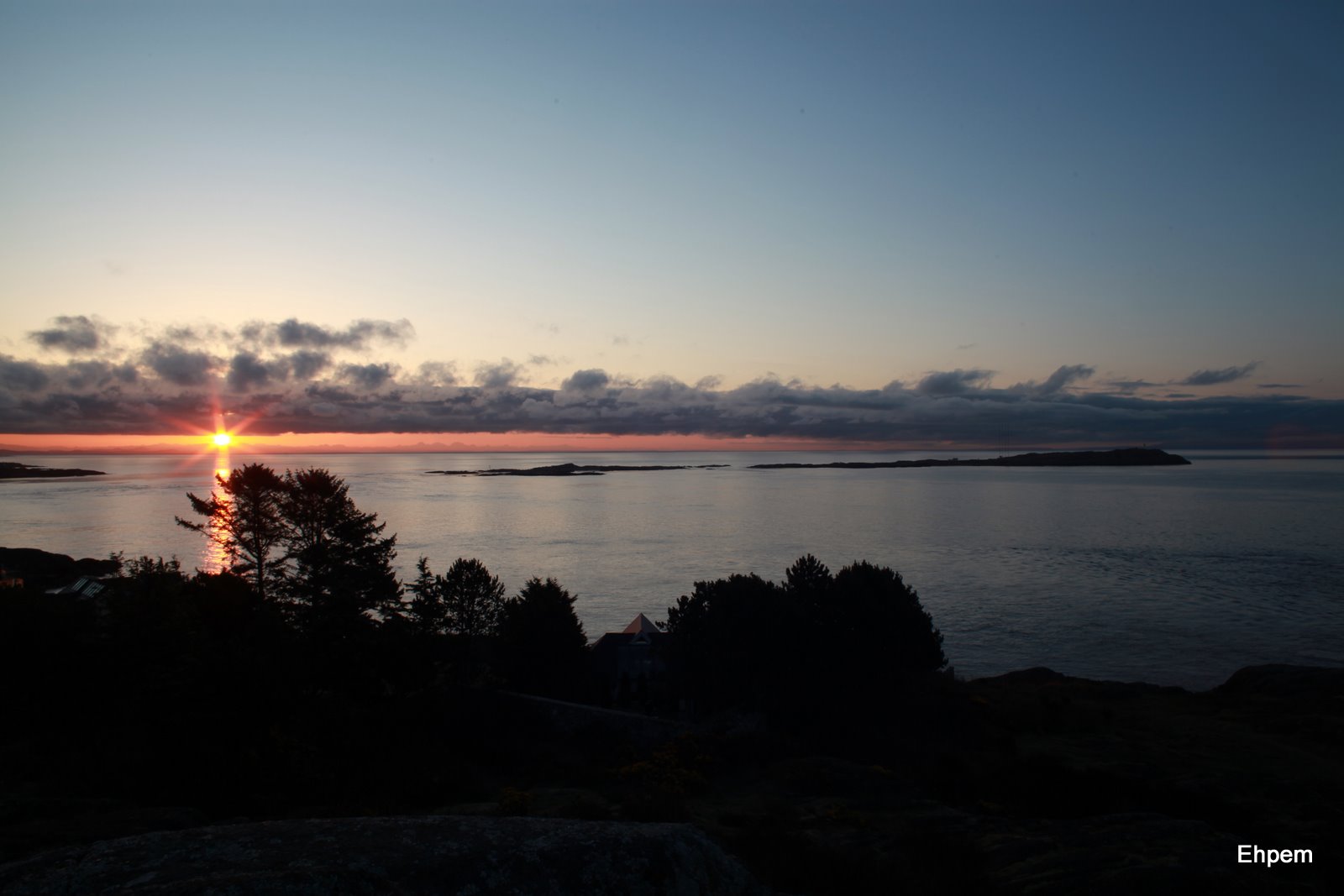
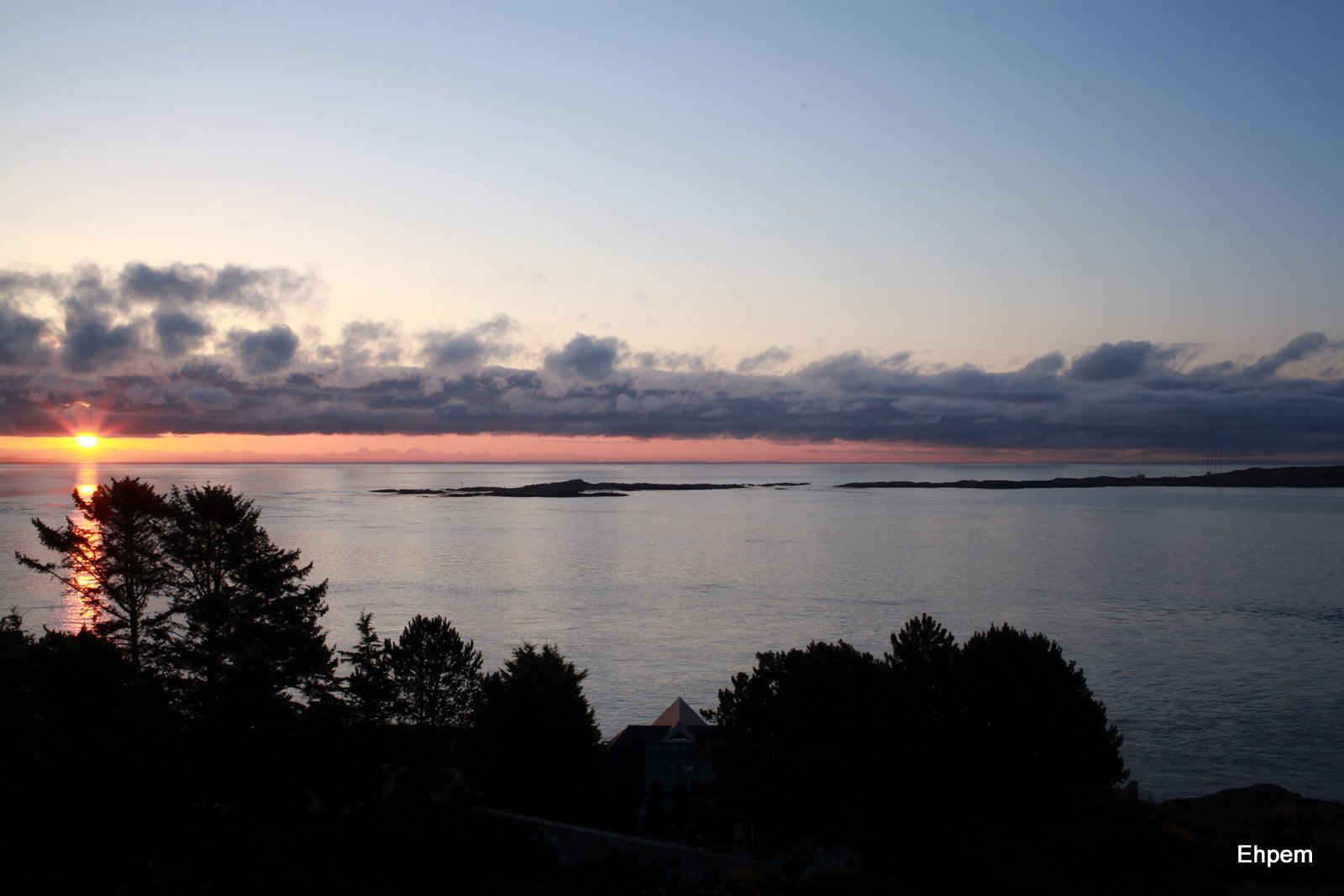
What I present here are three shots, one from each lens, all shot at f-16 and ISO100 and slightly different shutter speeds as warranted by changing conditions and not modified other than by equal amounts of cropping. Camera settings are all the same, image export settings (for upload) all the same. I left the camera attached to the tripod and swapped the lenses. I resisted the urge to straighten the image (sorry about that) for the sake of these comparisons. I have progressively zoomed in with crops on the three shots. I am not sure of the precise % crop of each one since Picasa is not good at giving me that information – I cropped them around an object I held up to the screen (low tech is sometimes the fastest) so they are all very close to the same. “Full frame” in the captions below is no crop and as it came from camera other than being compressed for upload, “Crop 1” = ~41%, “Crop 2” = ~59% and “Crop 3” = ~95%.
My read on the tests is that overall the lenses perform very well relative to each other. There are some minor differences between them. For instance the edges of dark objects against bright backgrounds have more colour fringing (is this called chromatic aberration?) with the Nikkor lens than either of the others. I suspect that this is the oldest lens with the least sophisticated coating on it which may contribute to this effect. The light is not quite so bright for the Canon image, so it may not be fully comparable. But, as 24mm is a pretty wide-angle and is used for wide-angle purposes it is not likely to be subject to a lot of cropping (why put it on the camera if you are going to crop?). There is a bit of lens flare with the Nikkor as well that was absent from the other two. I am happy with all the lenses and see nothing in these images that will make me hesitate to use them if they are the best focal length for the subject. Whether cheaper lenses (at the time of their production) would work so well, I can’t say. Some of them are probably terrible, some are probably close to the quality of the Takumar or even the Nikkor lenses.
Lens description as it reads on front of lens:
- Nikkor-N Auto 1:2.8, f=24mm, serial # 3255**, fitted with Hoya HMC UV filter Philipines. This is a non-AI lens, I think its an F mount. Good info here.
- Super-Multi-Coated Takumar 1:3.5/35, serial # 62664**, Hoya Skylight(1B) (do digital shooters even use Skylight filters anymore? this dates to when I bought the lens in the 1970’s or possibly early 80’s). This is an m42 screw mount lens from the Pentax Spotmatic days. Info here.
- Canon Lens EF 50mm 1:1.4, ultrasonic, serial # not visible purchased new 2011, Sigma DG UV filter.


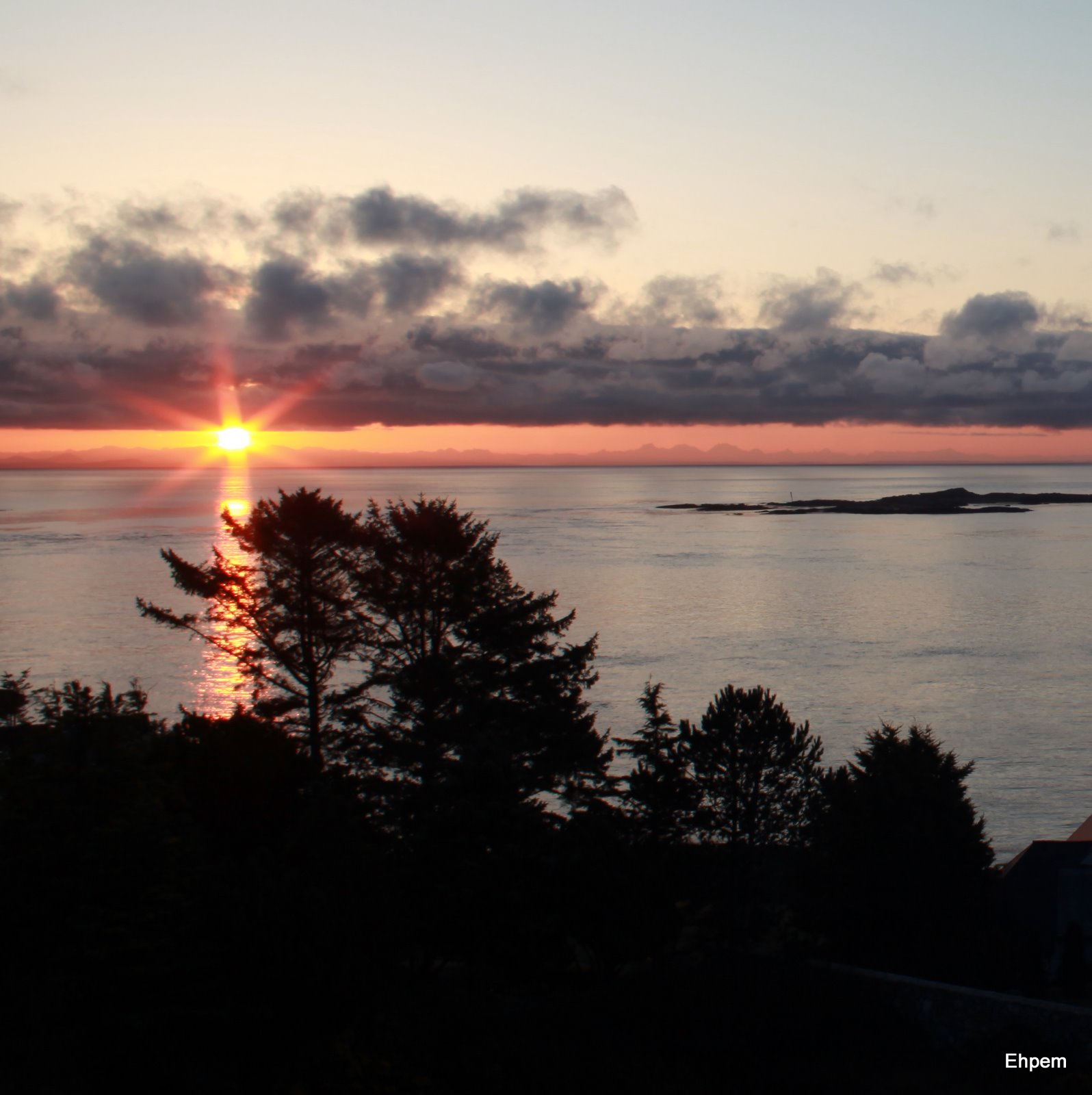
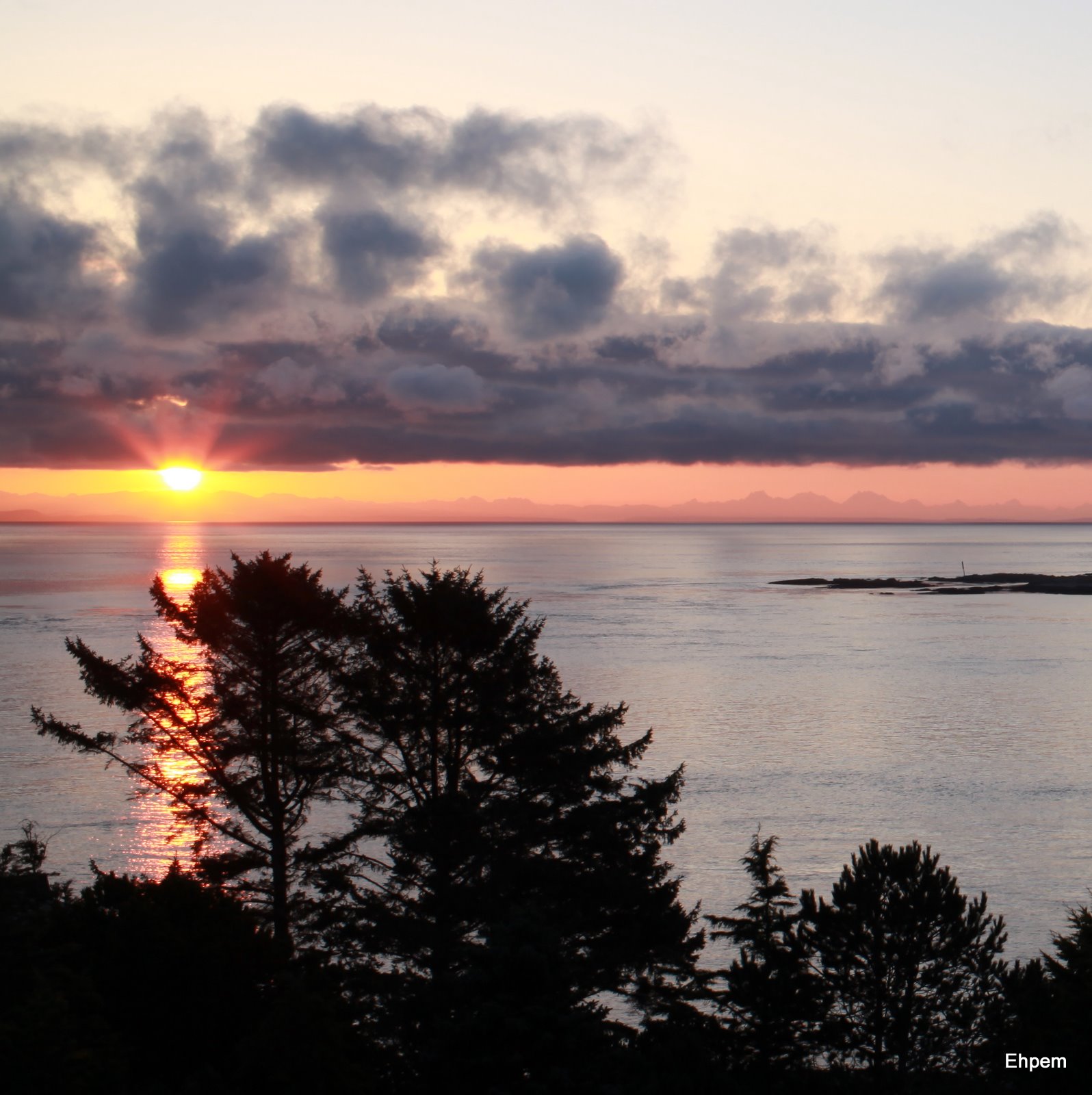

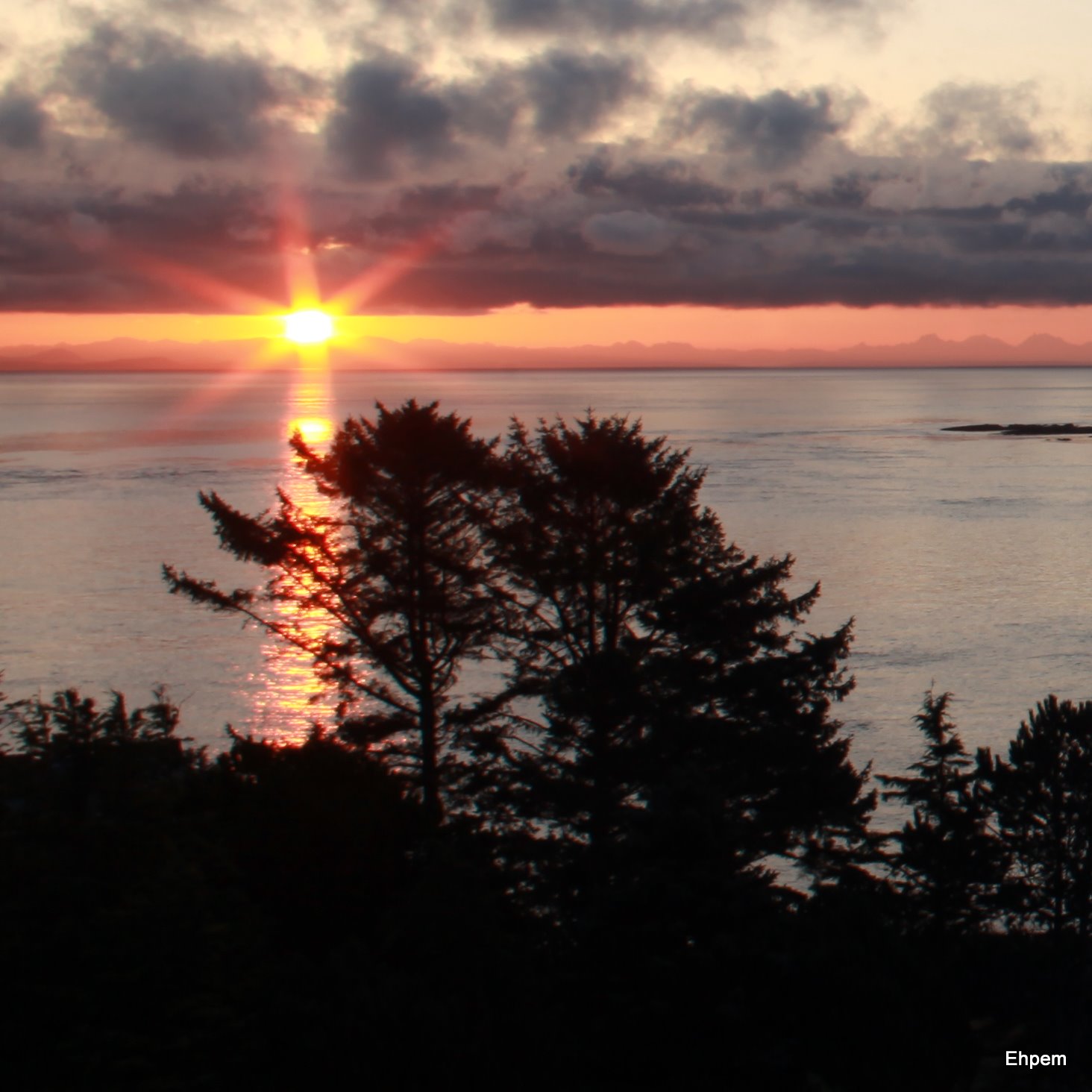

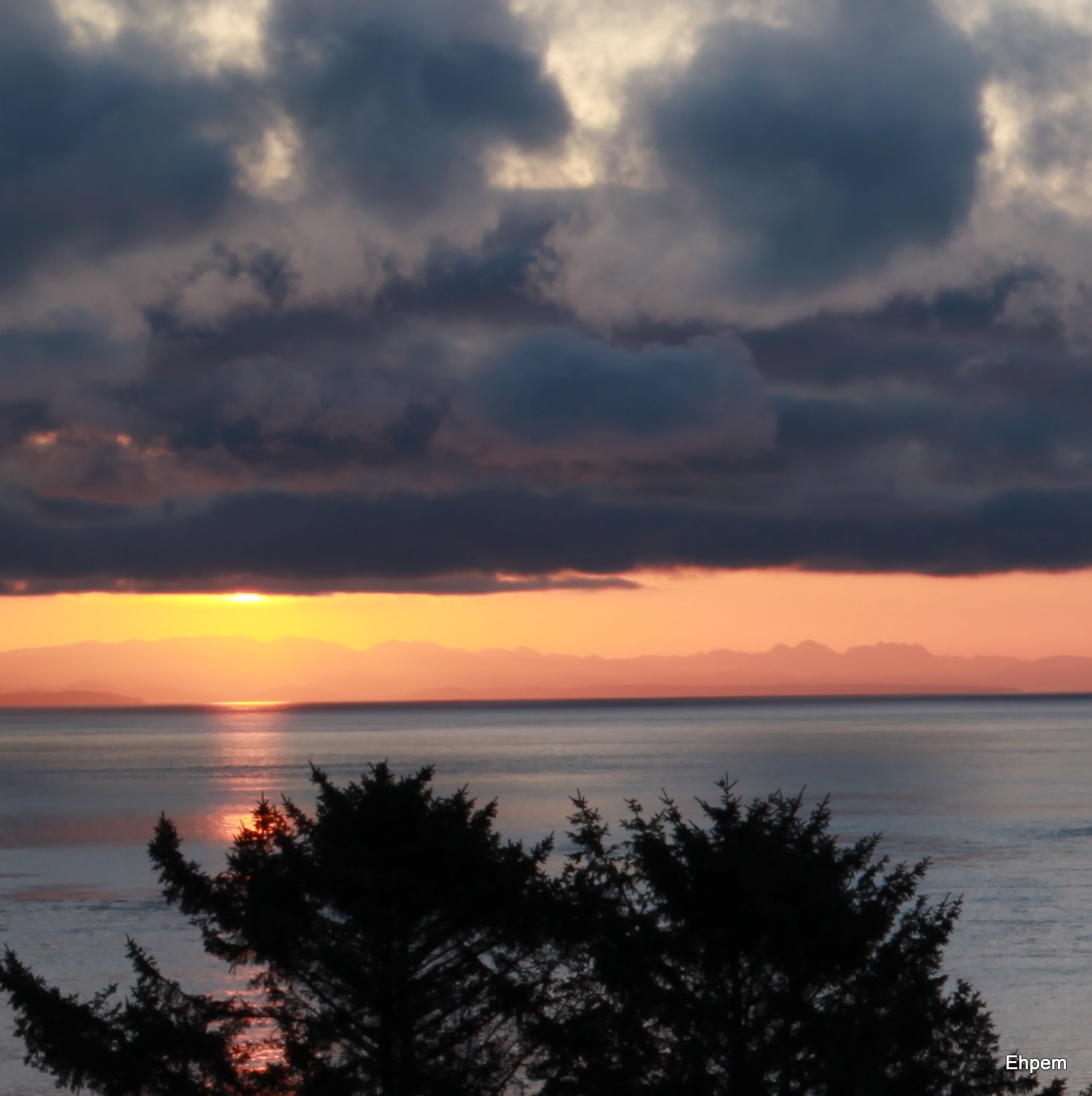
.
.


 burnt embers
Pingback: Self-Indulgence II | burnt embers
Edit – this comment applies to comments I have since removed, not to any others that show here.
Thanks for letting me know about your reblogging. I have a strong preference to be asked first, and really disapprove of how easy WP makes it to reblog without permission. So, that makes me a bit touchy about this. Also, it is not clear to me quite what you are up to. The blog you reblogged on, while linked in the comment, is not linked in your gravatar or elsewhere. This suggests to me that you are hoping people will find their way to your other blog, that is on your gravatar, and which seems to have your own original material in it. Why do you have a “culled” blog (as you put it in the about section, the only thing you say there) and then a blog of your own creative output? It looks bad, even if entirely innocent. Makes me feel uncomfortable. Since your reblog of my original material on your “culled” blog can only be read in full by coming back to this blog, I will not ask you to take it down. Even though in these circumstances it feels a lot more like theft and lot less like a compliment than it could otherwise.
You might want to consider editing your gravatar to include both blogs, and putting some genuine and complete explanation up front on at least the “culled” blog, and preferrably on both. Right now it looks like a bit of a scam to drive viewership on your blog of original material by using my original material in a place hidden from your own work. Giving you the benefit of the doubt and leaving these comments untouched.
EDIT: Actually, I take that back. I just saw your email address and since you have the word sex in it, I am toasting the links to your blog and your email, which should get rid of the gravatar. If you want to explain to me via email what is going on, and if I am satisfied, I will reinstate the links.
EDIT: And since I could not disable your gravatar, I have removed your comments. Same applies – we can work something out if you prove to me you are legit.
LikeLike
Meh, autofocus really is nice but lately I’ve been doing everything manually (i always shoot in manual, however, I usually have the AF on). I’ve really enjoyed going back to my old Canon AE1-P days (even though I had the “Program” version, I still shot in manual)! Thank you for sharing the comparisons, interesting. 😀
Val ~ “ehpem you are a true camera nerd. I salute you” hahahaa, that TOTALLY cracked me up!
LikeLike
David – I am really pretty happy with focus confirm, it compensates for the eyesight and the progressive lenses in my glasses which make viewfinder work more challenging. I do like the autofocus on my one lens with it – I seem to be turning it on and off quite a lot – focus on a spot, turn off autofocus, frame the shot elsewhere kind of routine.
As to Val – best to not provide any encouragement or it might get out of hand, knowing Val as I do.
LikeLike
ehpem…..fabulous sunrise photos! I love the different types of shots and times of the ‘rises. I always enjoy looking at your photos and reading your text.
As I do not understand anything about adapting lenses, I’ll just stick to commenting on the images! However the process sounds very interesting!
LikeLike
Thanks Judy! I can guarantee that I knew nothing about this a few short months ago. I still know nothing of the physics of lenses, etc. And I am sure never will. But, if it can be done with tin snips and a file and a load of tape and other protective coatings, then I am up to that part.
LikeLike
I’m certainly impressed with what you have done!
LikeLike
Amazing and informative. I love the images – especially the ones of the setting sun and other lights.
Even your tests are beautiful.
LikeLike
Thanks Ryan. Since I dragged my ass out of bed at what felt like a really early hour to catch the sunrise, I am going to point out that it was not a sunset. Sunsets I see all the time, sunrises only when I am being virtuous :). Gotta take my credit where I can find it. I dread the idea of sunrise photography in mid-June, or worse, mid-June in the far north.
LikeLike
Ah, that’s how I feel about mine – almost exclusively sunrises. I stand corrected and I am even more impressed. We are a rare breed us sun chasers.
LikeLike
ehpem you are a true camera nerd. I salute you. Val
LikeLike
Hi Val. Thanks for your comment, I think. I am actually not that nerdy when it comes to cameras – in most ways gear is important to me only inasmuch as it does not prevent me from taking the picture I want.
I fell into owning this camera through a series of accidents, starting with a very good deal on a nearly new body which turned out to not work properly in video mode. Since that was one reason for buying it in the first place it had to be returned, and by then I was enamoured so I traded it for a new body at full price (sigh) and have been justifying that price ever since by salvaging my otherwise nearly useless (to me) Takumar lenses from the back of the closet. On top of that, since the mid-70’s I have wanted a wide angle lens, wider than 35mm that I had, but never saw the right one*.
However, adapting old lenses to this camera requires quite a lot of research or I could (a) easily wreck some part or another of the camera body and (b) throw money away on a lens that I can’t use. So, this being a blog about photography, I thought I would share my research in case the other person in the world that might be interested can benefit from it. Besides, once I had the images, it was an easy post to put together 😉
* – I am glad I did not buy a Takumar wide angle as it could not have been adapted to this camera, and I would have been pretty grumpy about that when I discovered.
LikeLike
like I say, a true camera nerd, but also a photographer with the eye of an artist, Val
LikeLike
Gorgeous shots! 🙂
LikeLike
Thanks Nandini – I was hoping that people would like the shots even if the tests were not of any interest to them.
LikeLike
After reading your previous posts and comments about the adapters and doing some internet research, It seems that you have to be very careful in picking an adapter to suit a camera/lens combination. it’s very interesting to me but, in reality, I have never owned anything not compatible with Nikon, ever! Still, I’m searching for a replacement camera and am still undecided as to the model. I’m determined to look at all options, even non-Nikon, so, who knows, I may need an adapter in the future. It’s all good to know.
LikeLike
Hi Ken – one of the reasons I bought the full frame sensor camera is that it would take my old Takumar lenses, which meant for the price of an adapter (about 35$ on the internet) I could bring those lenses forward and not have to buy all new glass to go with the body. I bought the Nikkor for similar reasons. Would I really like modern Canon lenses instead? Yes – pretty much any of the faster lenses with all their modern features, image stabilisation, auto focus (my eyes really need that) and fantastic optics with modern coatings would be great. A wide zoom and a telephoto zoom. But, I can’t afford those right now, and probably never will be able to. So these lenses are a good compromise for me.
LikeLike
Somewhere, it is difficult to compare them because the sun was setting and the light is different in your pictures 🙂
LikeLike
Hi Mathias – you are right, its not the perfect test, especially the 50mm lense which went on the camera a minute late as the sun ascended behind the cloud. But, for me its a good enough test becuase it compares the two wide angles well (I was concerned the Takumar was not really good enough) and I don’t really need to compare them to the 50mm anyway as I won’t be buying a wide angle Canon anytime in the foreseeable future.
LikeLike
excellent as always 🙂
LikeLike
Thank you – I see you are wearing a new guise today, did you make some changes?
LikeLike
yes I have adopted a new blog title… a bit more grown up 🙂
LikeLike
well, you are going to stick as meanamor in my brain for some time to come. Though I do like antiquities, and adventures! I even got to do both when working in the UK, digging up my ancestors bones in abandoned and bult over London cemeteries that were buing redeveloped in the boom years of the late 80’s.
LikeLike