
Macro Moss
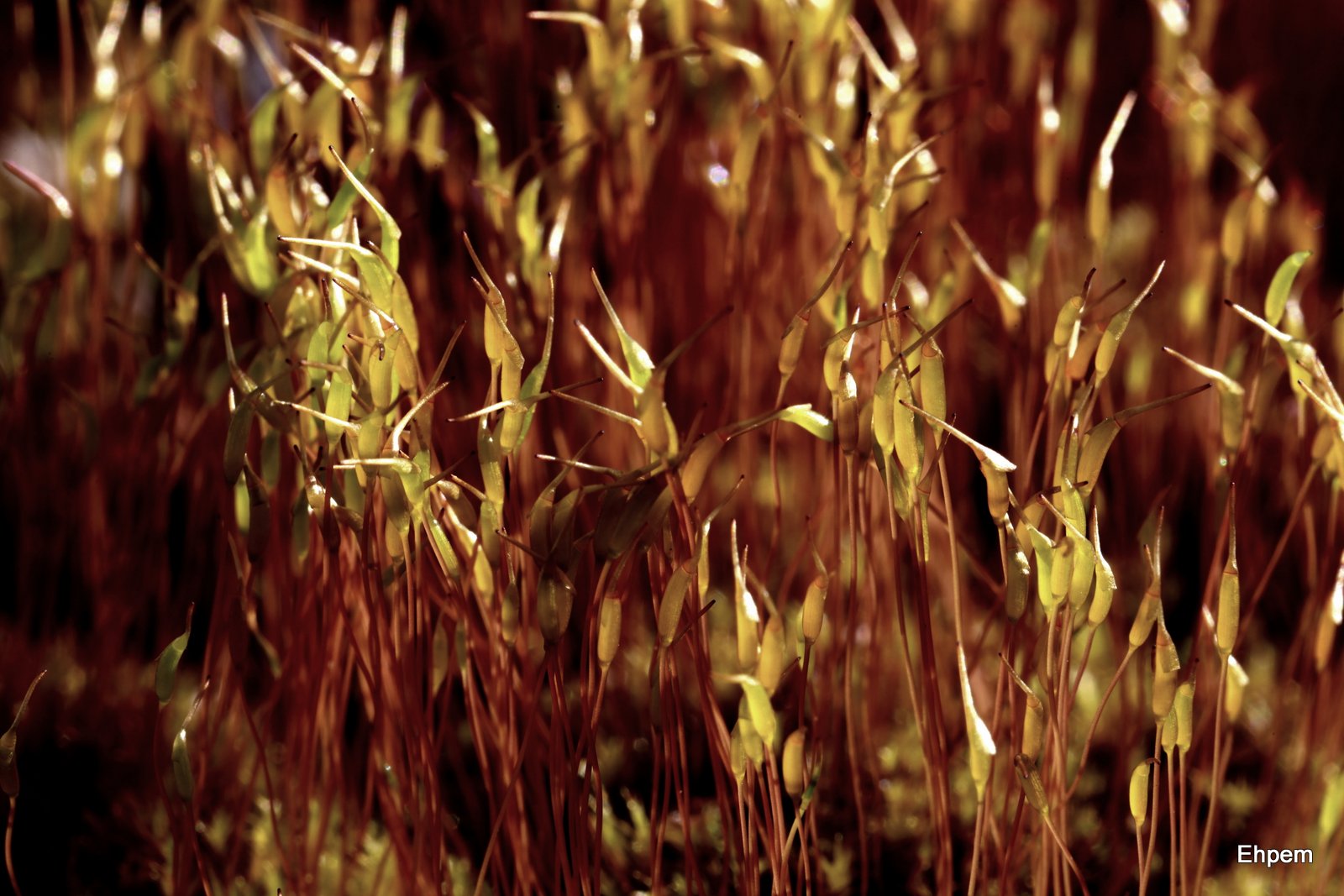 Back to my experiments with a Canon MP-E 65mm 1-5x macro lens. To find out more about the lens look at my blog Macro Salt Shaker.
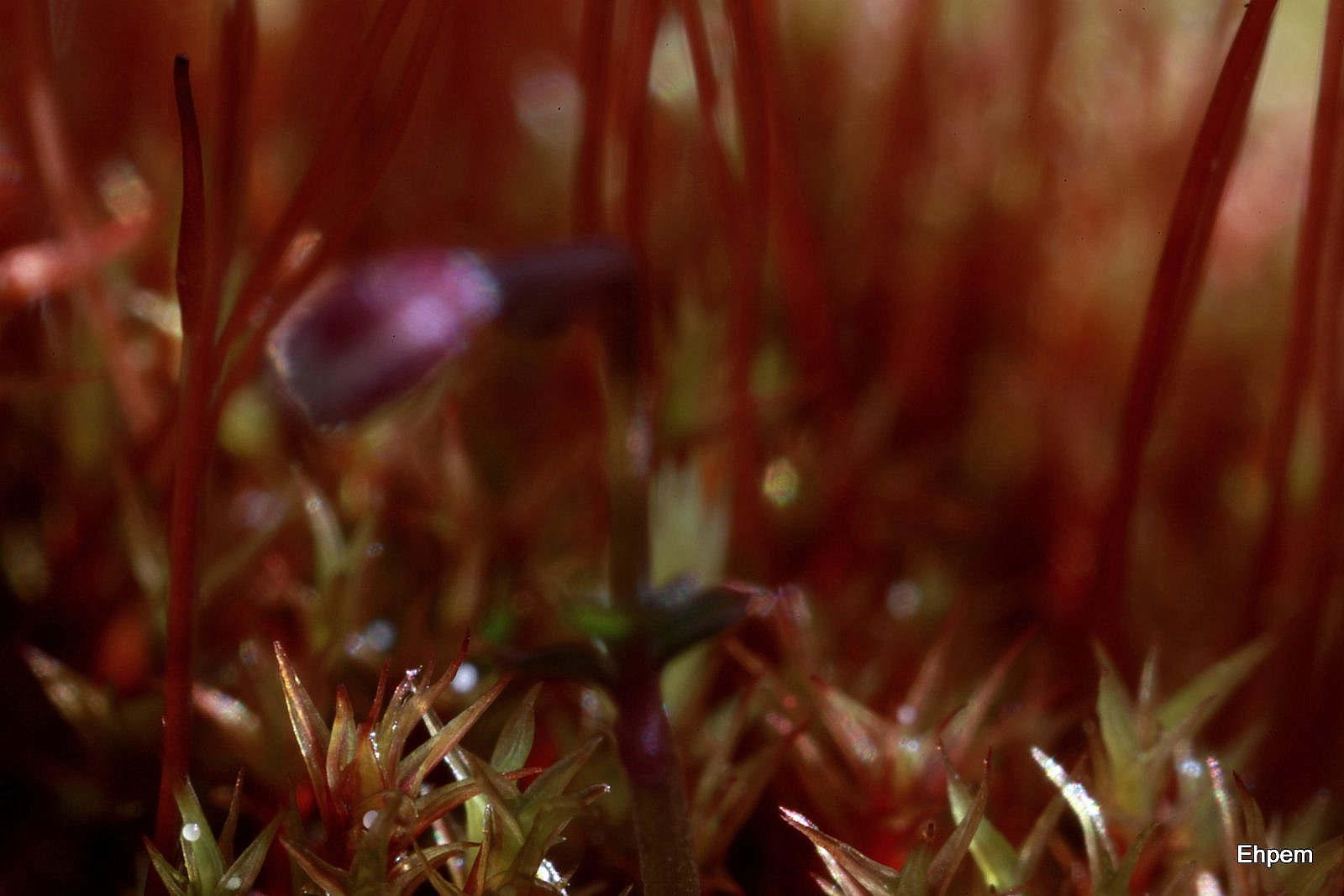
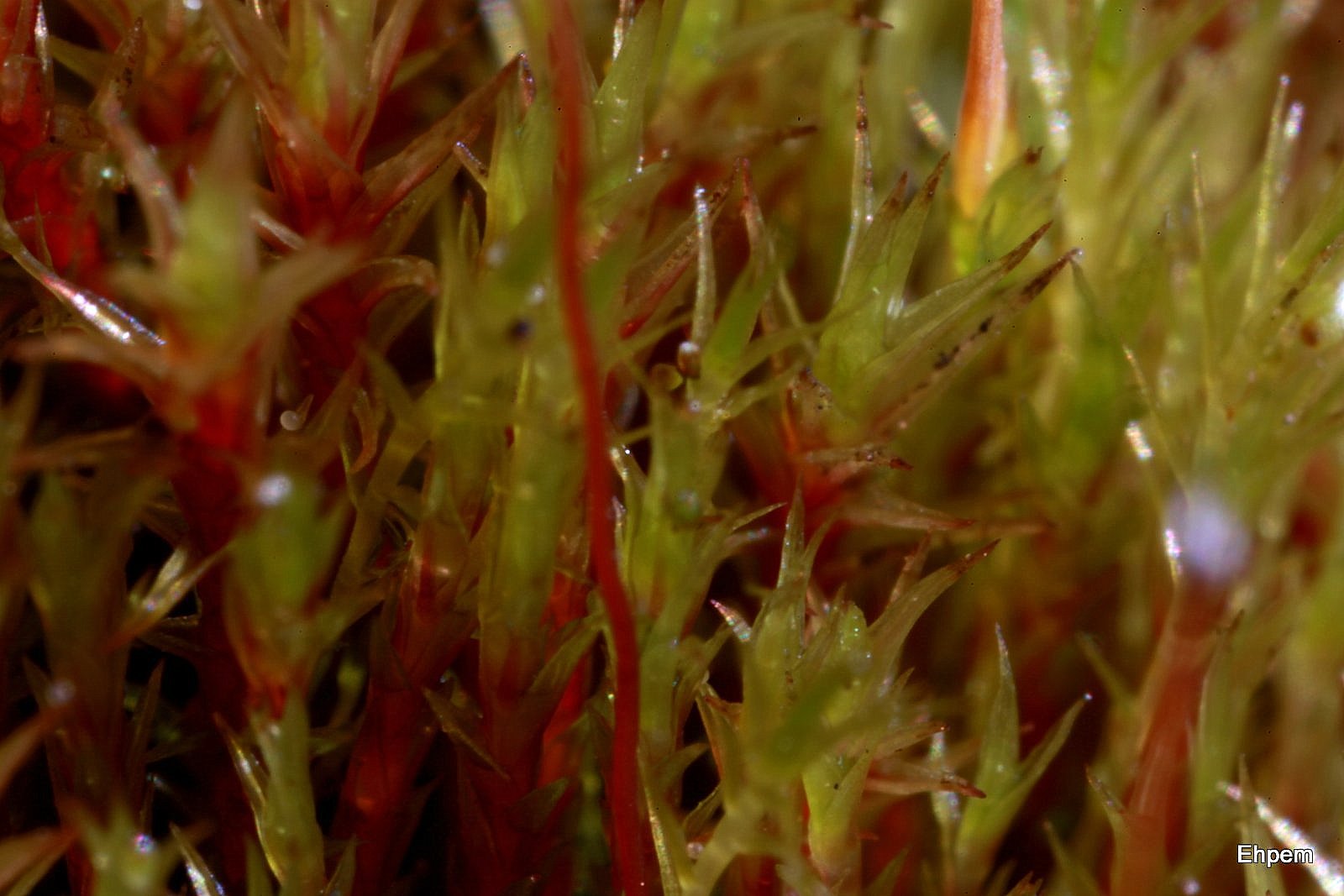
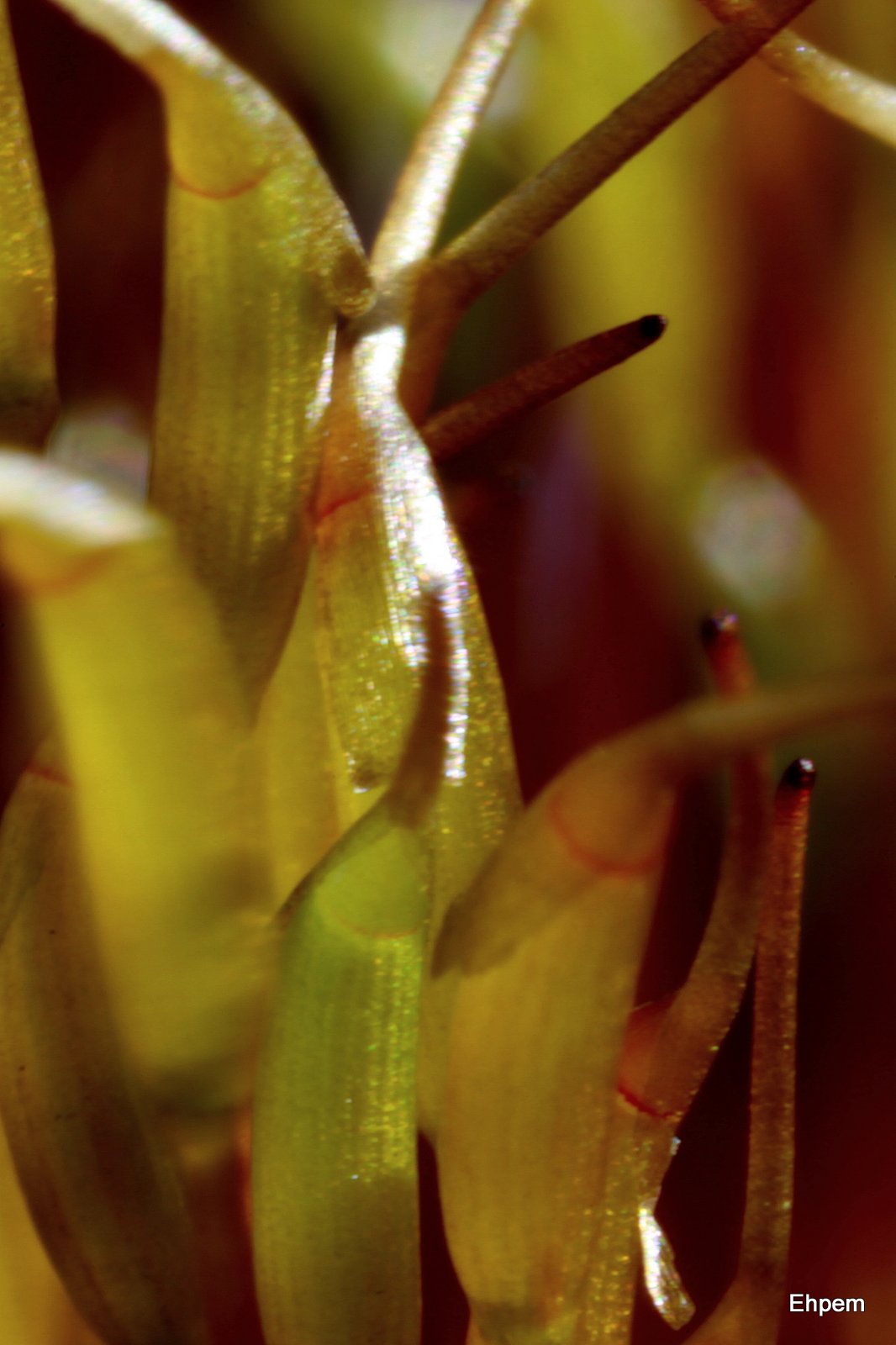
Today’s pictures are close-ups of moss and a tiny cup lichen in a garden in North Saanich. They illustrate some of the difficulties of using the lens, such as the importance of good lighting, depth of field and the lack of breeze (all of which are missing from these pictures). I don’t really think any of these are very good photos, but they are the only decent ones I took out-of-doors with that lens and they illustrate the difficulties of its use, so as part of my experiments, I am sharing. I have some better macro shots for my future posts, so don’t run too far away.
These shots were taken at lens settings from 1x to 5x. I did not keep notes on the magnification. The vertical moss shots are cropped, about 30%, and the cup fungus detail about 45% and I am pretty sure all those ones they were 5x to begin with. All the moss photos have had contrast and brightness enhancements, and their saturation reduced. The crops have had dust removal done too – this lens really shows up dust on the sensor in the way that others don’t seem to, though I am not sure if that observation is logical, unless related to the sharpness of the lens, or the high functional f-stops (these 5x photos at f-16 on the lens are in fact about f-96).
I think my favourite is the cup fungus, even though I could not get a good depth of field to keep the whole cup in focus. It has some funny little clear greenish balls in the bottom of the cup if you look closely. which you can do since I cropped a 5x magnification image to highlight them. I don’t know if these are part of the lichen, or just caught falling from nearby plants by the cup.
.

.

.
.
.

.
.
For map of the general location of these pictures, see this link. You may need to wait for a while to allow the images to download into the file.
Canon 5Dii, Canon MP-E 65mm 1-5x Macro Lens, ISO100. All shots f-16 except the lower magnification cup lichen, which is f-14. Exposures range from 1/10th to 3.2 seconds.
.
.


 burnt embers
I am so very fascinated by the results you are getting with this lens, my friend! Really a great post here today, I truly enjoyed it.
LikeLike
Thanks Toad – It’s moss in all its tiny forest-like glory.
LikeLike
the cup fungus is a triumph. I wonder what the “funny little greenish balls” are but will not enquire further out of delicacy…
LikeLike
I can’t tell whether you approve of my descriptive by highly unscientific language or not, but I bet you could find the objects I was talking about, so that is what matters in this blog. Further poking around the internet and my ancient high school biology are leaving me confused so whether this is a cup fungus or a cup lichen, or if in fact they are essentially the same thing since lichens seem to be funghi that have a symbiotic relationship with algae. We need a botanist to advise on that one.
In any case maybe this quote from this website sheds some light on these spheres:
“In a cup fungus the surface of the cup is lined with the spore-producing asci. As the spores in an ascus are maturing, fluid pressure builds up in the ascus. At maturity, the pressure is sufficient to force the spores out through the top of the ascus. In some species of cup fungi there is a little lid at the top of the ascus which is forced open to allow the spores out. In others the tip of the ascus ruptures more irregularly. The spores may be shot several centimetres up into the air and, as in the case of the mushroom, air currents carry the spores further afield.”
LikeLike
whatever it is, its nice to see from your map that you are exploring the outer reaches of the far north of the Saanich Peninsula!
LikeLike
I get out there from time to time, just usually not with a camera in hand.
LikeLike
Beautiful shots. What an amazing lens!
LikeLike
Hi David – it is a wonderful lens. I am surprised that it’s cost is quite ‘low’ compared to other specialised lenses for Canon and Nikon. It seems very well built and optically superior.
LikeLike
Hi Ehpem, the series shows how macro photography is a universe onto itself. It is very much both interesting and challenging. I like moss stalks and moss stalks detail but, and I am sure not every body is going to agree with this choice, that my selection for the most visually stimulating photo would go to moss leaves.
LikeLike
Hi Joseph – I have noticed over the past few months that you tend to go for one of my images that other people do not, which suggests a different way of viewing things, which goes with what I see on your blog. But, we must overlap because I did take those pictures and choose to post them, rather than bin them. I like that dense and lush foliage – it is like the temperate rainforests on a tiny scale – the amount of work necessary to transit moss if you were very small must be similar to getting through 10ft deep salal in Barkley Sound (for instance) where it can take hours to go a few hundred metres. So, the moss leaf picture resonate for me as well, but perhaps in a different way than they do for you.
LikeLike
Ooh, these are wonderful!
LikeLike
Thank you Karen 🙂
LikeLike
I can imagine your excitement exploring a tool like this lens, especially since there are some strict requirements to adhere to in order to get good results, as you have mentioned. I think that, at the very least, the first shot belongs in your portfolio. I wonder if Nikon has sch a lens in their lineup?
LikeLike
Thanks Ken, I am glad you find one of these pleasing – I like that forest of moss stalks as well.
I have not seen anything about a Nikon equivalent to this lens, but have not done much research. I think it may be a situation of combining tubes and converter lenses which likely degrade image quality.
LikeLike
It’s alwasy a steep learning curve with a new lens, particularly with a lens that gets you in real close. A couple of these are really good. Keep experimenting.
LikeLike
Hi Andy – I will keep experimenting, but this lens requires that I rent it, so the experiments will likely be few and far between.
LikeLike
brilliant photo’s
LikeLike
Thanks Maenamor, nice to hear from you.
LikeLike