Blues and Grass

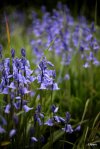
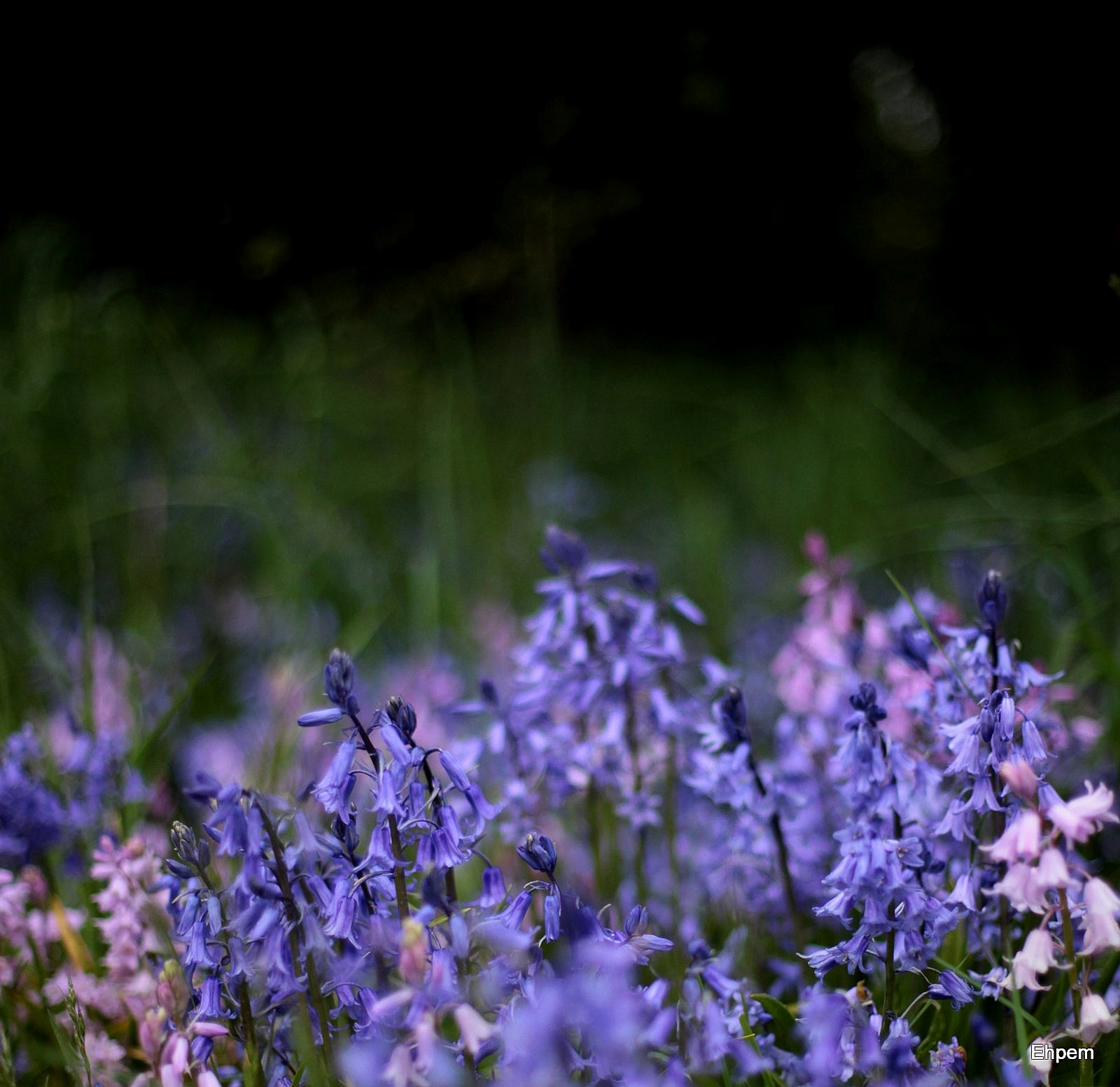
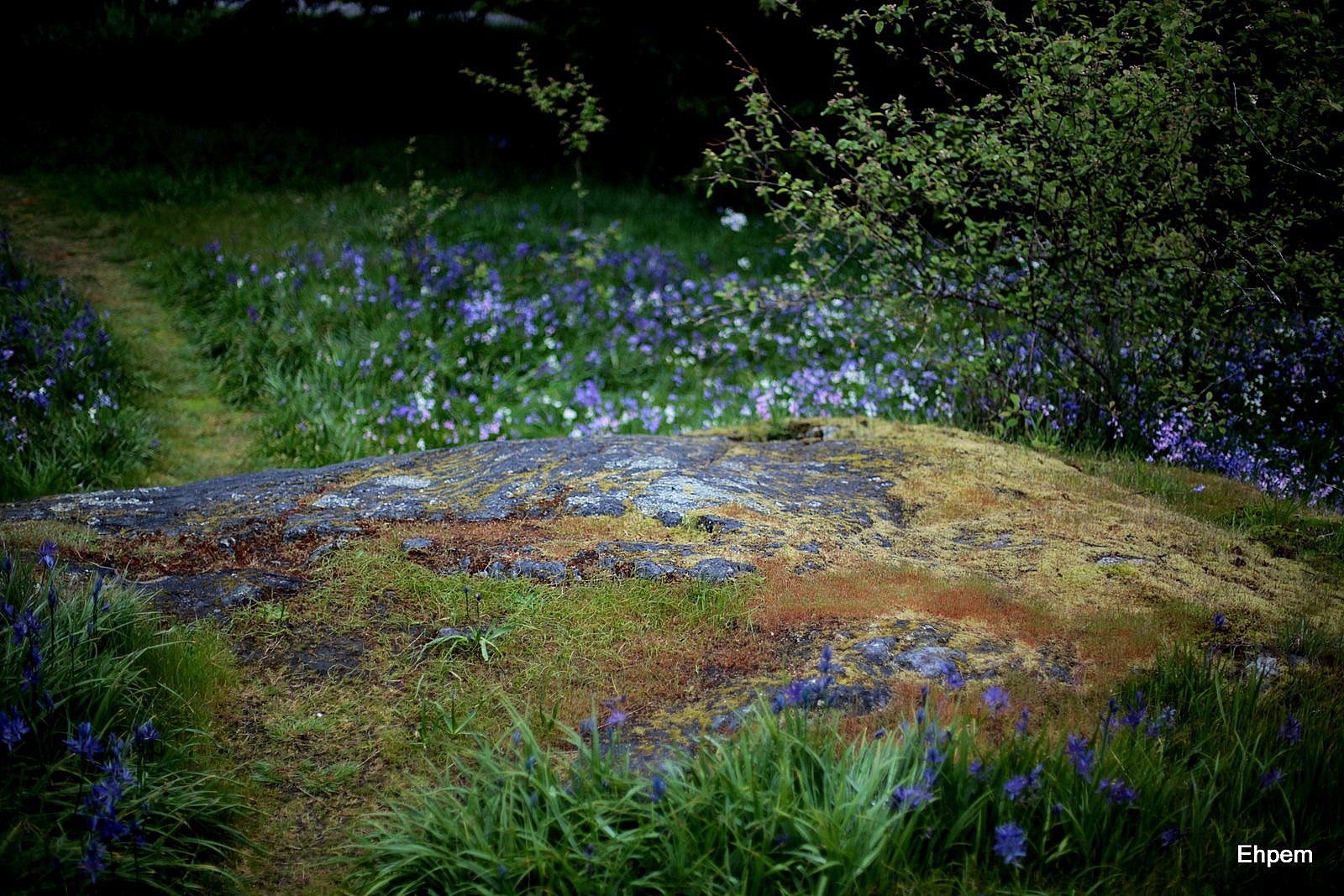
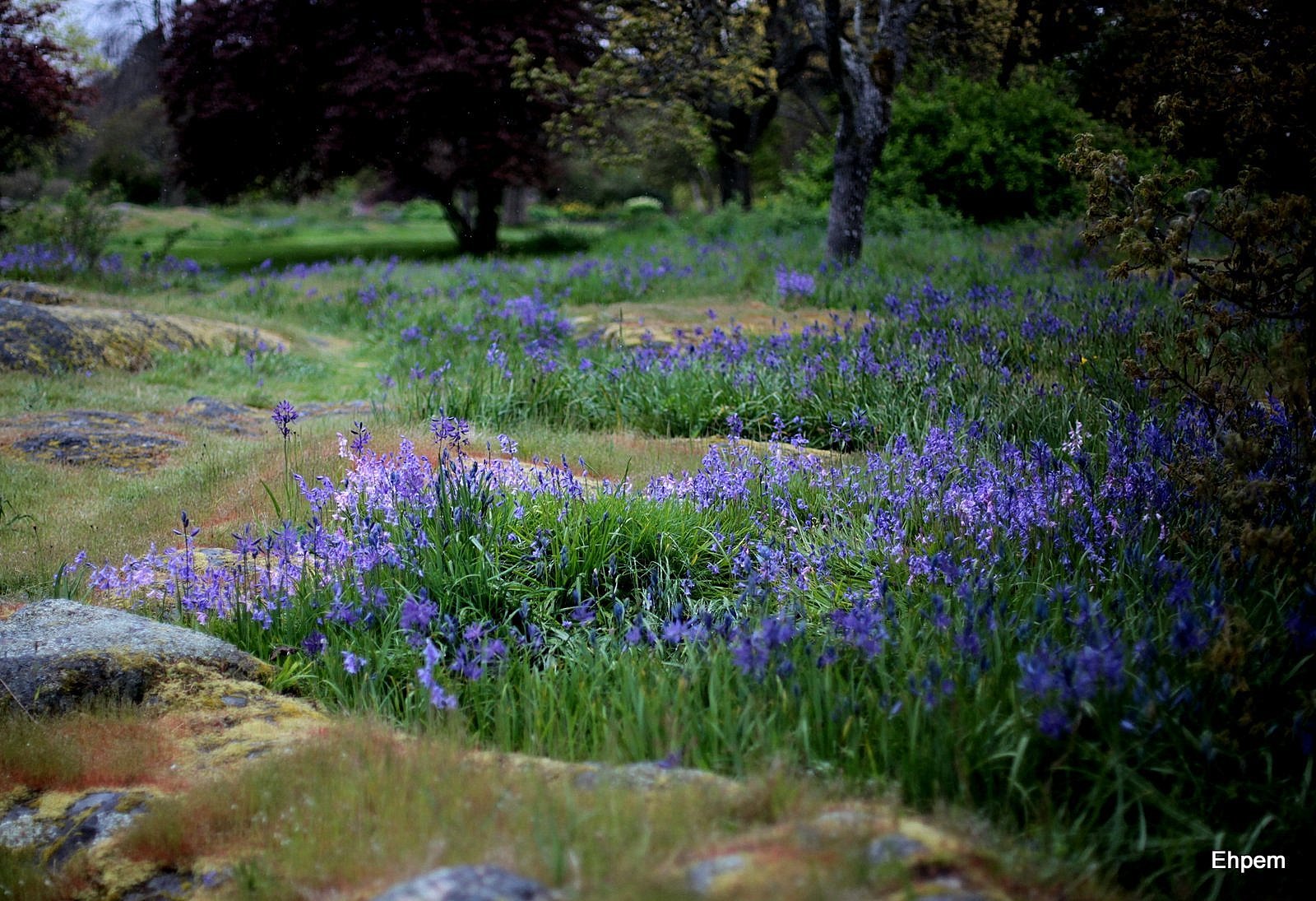
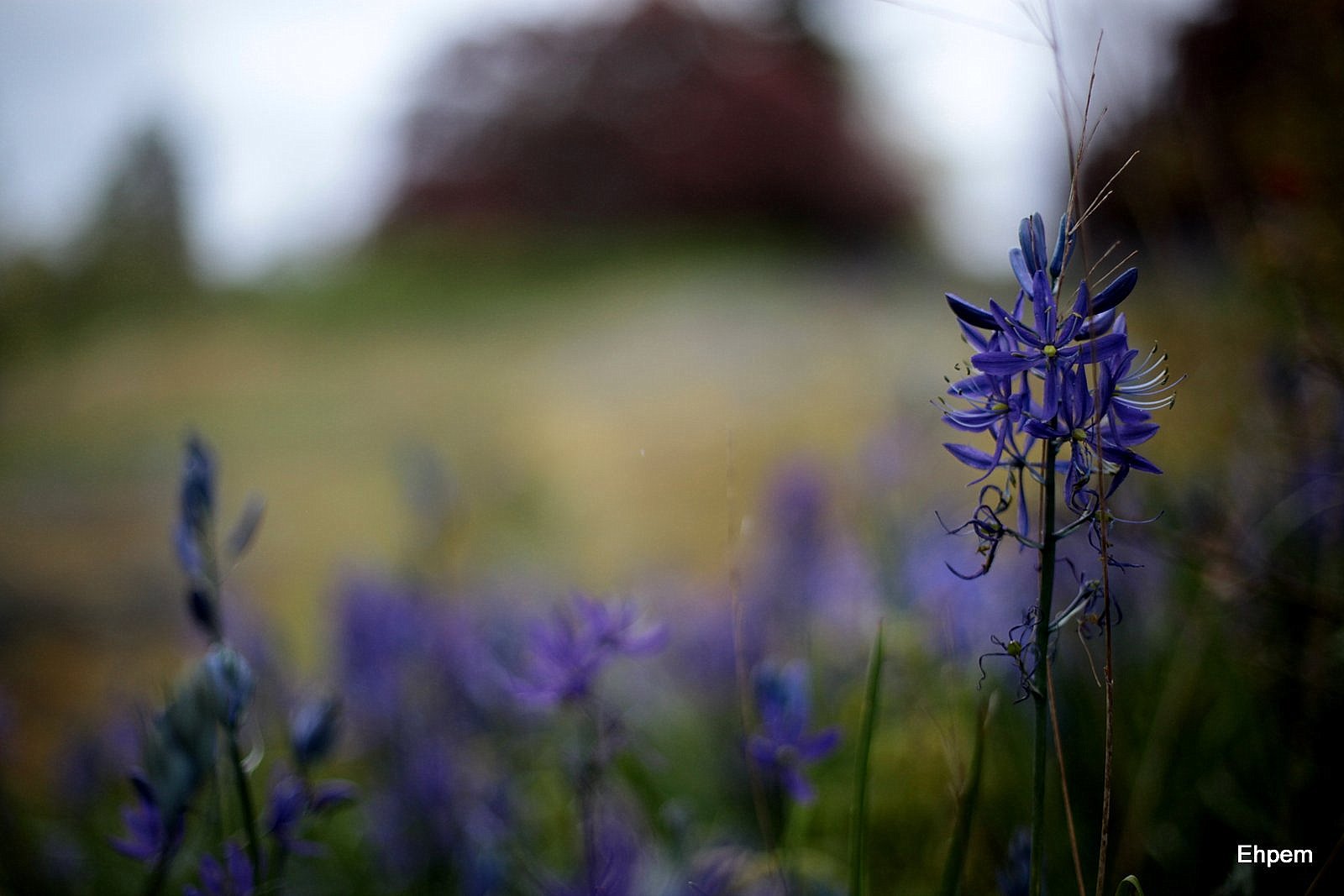
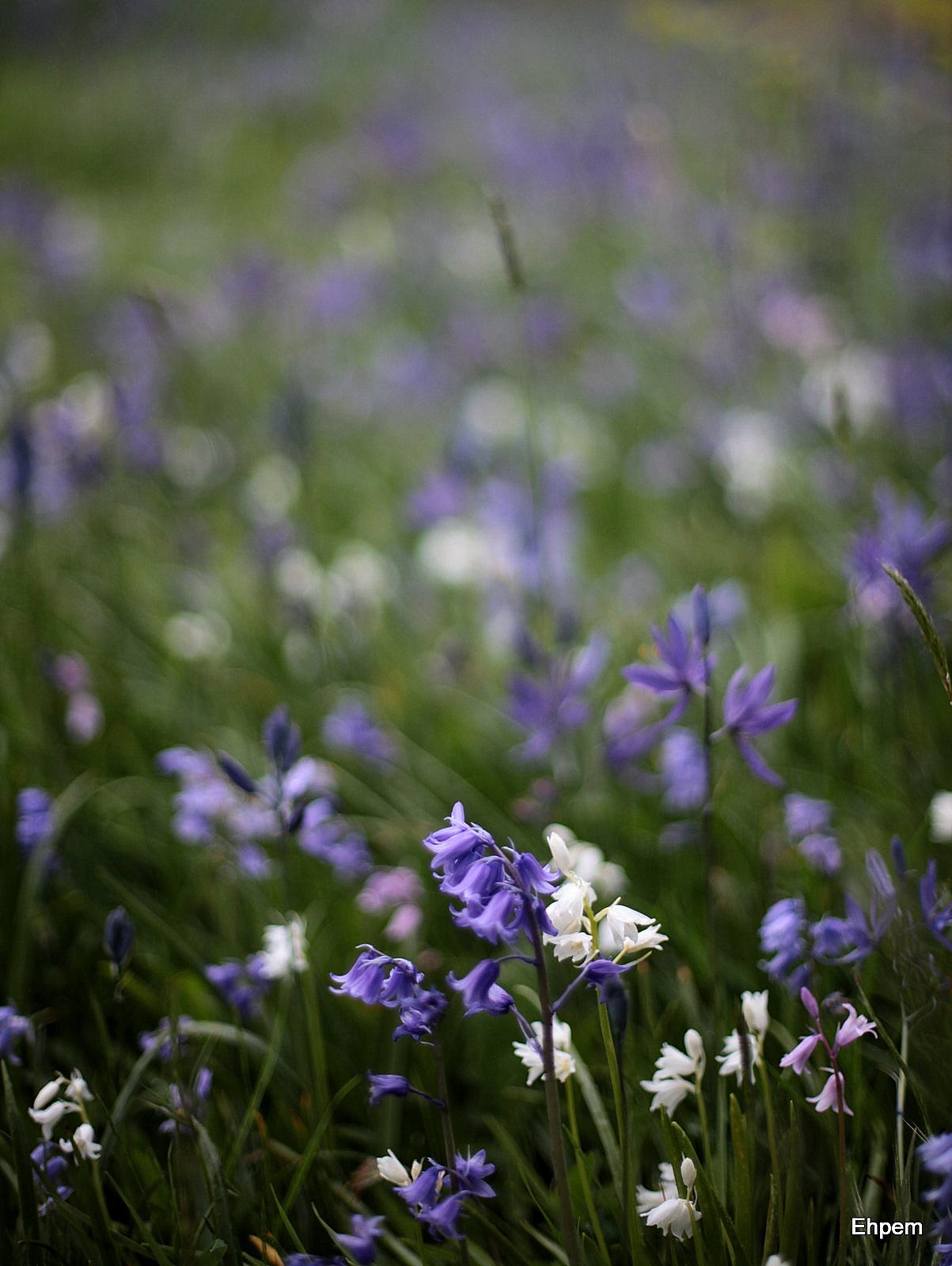
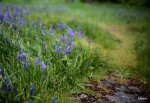
Another set of pictures taken during the rain along the eastern boundary of Beacon Hill Park in amongst the Garry Oaks and other tree species. There are small meadows, with bedrock outcrops in places, and in the meadows in this part of the park are a mix of the native camas and introduced bluebells. They go very well together, though I would rather see just the camas as bluebells can be found in any garden and camas is struggling in the many corrupted habitats it once thrived in.
So, here is a selection of pictures from amongst the grass and the flowers, with the occasional rain drop captured in descent.

.
To launch the gallery view below, click on any image and then use the arrows to navigate and escape to return to this page.
-
- 10
-
- 9
-
- 8
-

- 7

-
- 6
-

- 5
-

- 4
-
- 3
-
- 2
-

- 1

Canon 5Dmkii, Canon 50 mm/1.4 lens, ISO 640, all shot at f1.4, variety of shutter speeds from 1/100oth to 1/2500th.
.
.


 burnt embers
So beautiful! I love the wash of blue, camassia are a favorite but I’ve never seen them growing wild. Love these images!
LikeLike
Thank you Lynn. Camas are wonderful flowers. We have two blue species here – these are the common, the great camas is much larger – often 2 or 3 times as tall. There is a white camas too, locally referred to as the death camas. The bulbs of the blue ones were a very important indigenous food source, and beds were carefully tended to keep the highly toxic white ones out of the garden areas.
LikeLike
That’s fascinating! I knew that they were a food source – I grow the white ones too but they don’t do as well here; I didn’t know they were poisonous though, something to keep in mind when I divide and move them. Thanks for the great info!
LikeLike
A search for ‘death camas’ reveals that all parts of the plant are toxic, which I suppose makes sense if the bulb is.
LikeLike
I really like this set, but No5 and then No1 especially stand out.
David.
LikeLike
Thanks David! No 5 is among my favourites which is why I led with it outside the gallery, though there were several candidates for that position. One of the things I like about No 1 is the tall grass stems out of focus on the middle left. They look better to me out of focus like this, than they often do in focus.
LikeLike
Terrific series. The shallow depth looks really nice on these and the green and blue is a great combination. They’re all great but if I had to pick a favorite it would have to be #3, but it’s a tough call.
LikeLike
Thanks Ken. I like the light in #3. I was contemplating converting it to black and white to see if it works, and might yet try that.
LikeLike
Nice set – Nos 5 and 10 are my favourites. Looks like you have Bluebells out your way. I wasn’t sure they crossed the Atlantic!
LikeLike
Hi Andy, these bluebells are feral imports. This area was settled by the British who brought along their (sometimes inexplicably) favourite plants much to the disadvantage of local ecosystems. Bluebells are among the more benign when compared with broom or gorse (gorse!!!) or ivy or morning glory.
LikeLike
Our photography once again overlaps, Ephem! I pulled over alongside a country road yesterday and took shots of camas. I’ll share one on my blog soon. Nice shots you got!
LikeLike
Hi Danita – I am looking forward to seeing some camas from ‘down south’ 🙂
LikeLike
Great series, 3 and 10 stand out for me! Thank you for sharing Ehpem. 😀
LikeLike
Why thank you David. 10 is among my favourites as well. I really like the distant blue bokeh in 7 and 8, but did not really do it justice with these images – its nicer blown up on a high resolution version.
LikeLike
What a lovely series you have got here!
LikeLike
Thank you Sonali – I am glad you like them.
LikeLike
I find f1.4 *extremely* attractive! These pictures are gorgeous—my favorite is number 4. 🙂
LikeLike
Thanks James 🙂 f1.4 works really well for these kinds of situations, and camas for some reason is especially well suited to such a treatment – I don’t think they like to blend in with the background.
LikeLike