Masset Base
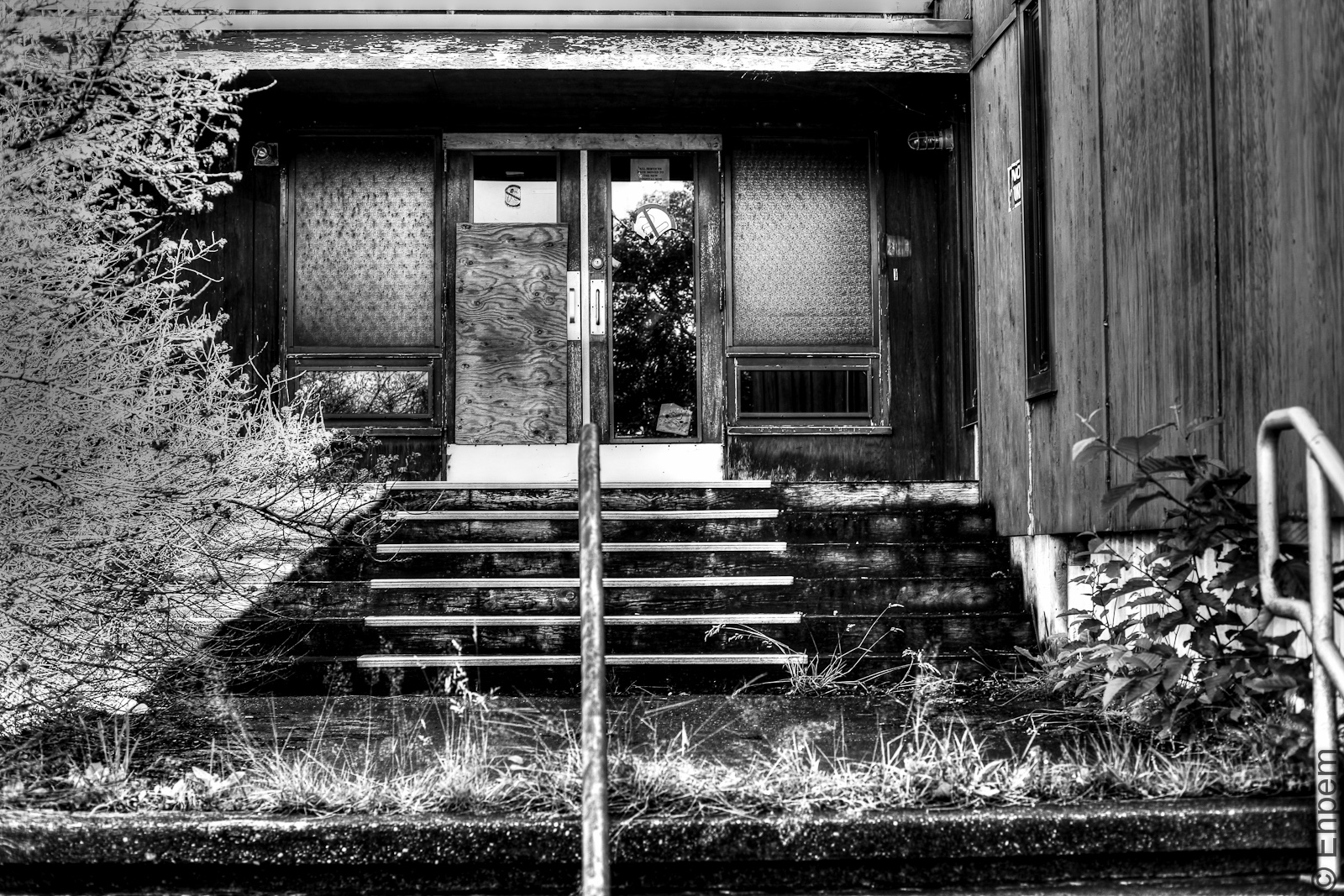
In the Village of Masset is what used to be a Canadian Forces Base, but which was decommissioned a few years ago. Some buildings were sold, and others continued in use by the community for a few years such as a recreation centre and hospital. The hospital is in the first two images, the rec centre in the distance left of the third. Many of the buildings that are not now maintained as private residences have fallen into disuse and are slowly decomposing in the damp environment. I understand there is a contract for their demolition, but so far there is no sign of work beginning. Lots of asbestos warning signs everywhere. Another of my posts about this complex can be found here.
Museum Edits

This is another view of the Haida Heritage Centre – this time inside the main entrance hall known as Stlaay Daw Naay – Welcome House. This view is with the main entrance behind me, looking out the front towards the beach and ultimately at the junction of Skidegate Channel and Hecate Strait. This is one of several joined buildings that include the museum, gift shop, café, classrooms, performance house and a carving shed and which collectively make up the Haida Heritage Centre. At the back of this complex is the Parks Canada offices. This pole is, I believe, carved in the early to mid 1800’s and collected from the village of Skedans, which is on Louise Island, just north of the Gwaii Haanas park.
As mentioned yesterday, I have been immersed in learning some new software. That means I have left myself, for two days running, without a lot of time for assembling a blog post. And thus you get the results of some of what has consumed my time.
(more…)
Museum Wall
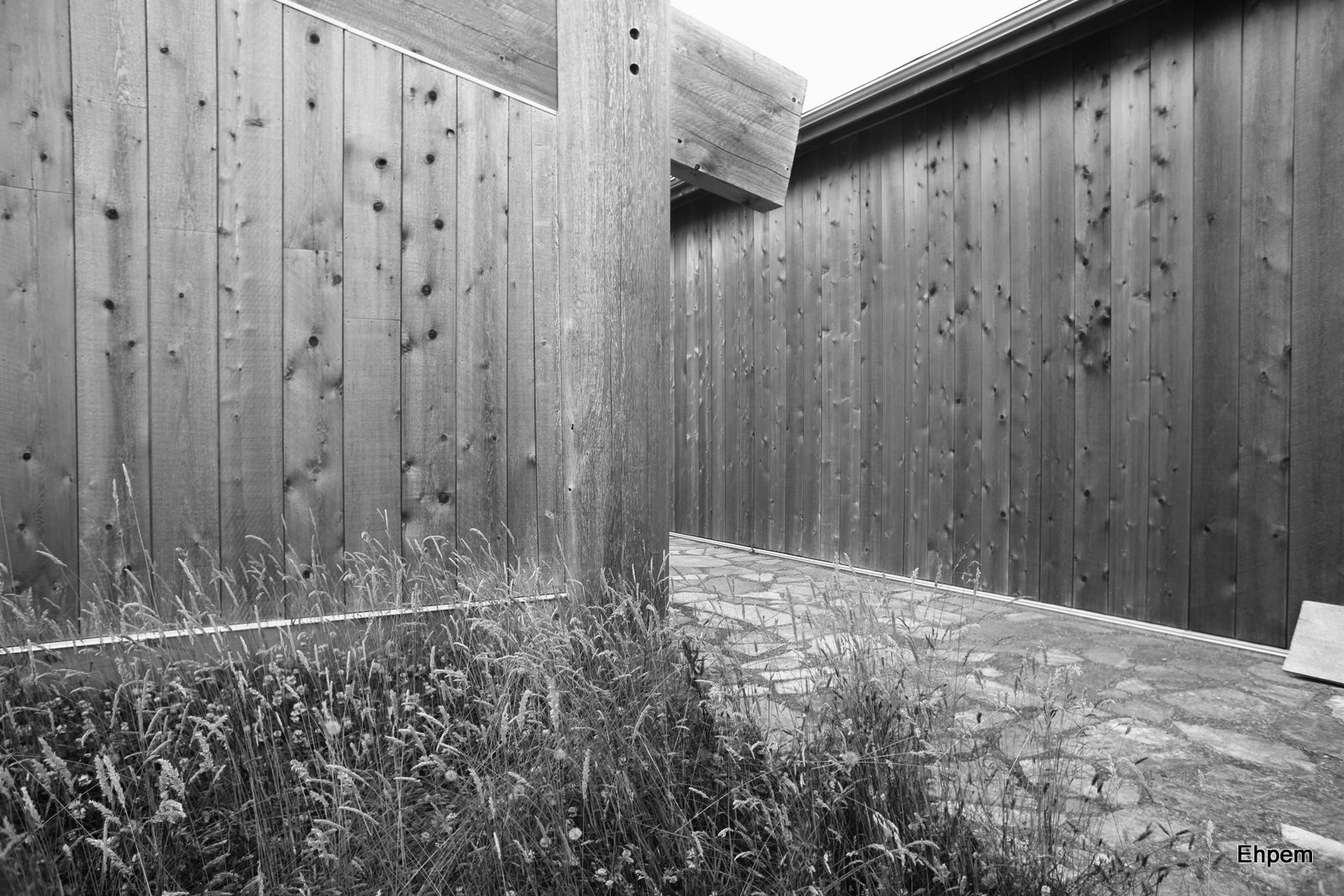
I am totally out of energy now for showing you lots of images – I have purchased new image processing software and have bent my mind into all kinds of weird shapes trying to get it to work, which leaves me with little energy for putting together a post.
So, all you get is one image today, in black and white and colour – and not one I processed with the new software, just my old free standby, Picasa.
The walls are part of the Haida Heritage Centre, which includes a museum. I can’t explain why I like this view so much, and especially the black and white, but I like it more than any other I took when we visited a couple of weeks ago, even though they have all kinds of interesting Haida art in them.
(more…)
Tow Hill Texture

Yesterday I presented one of the Haida stories about Tow Hill. I think it is probably typical of most cultures that unusual landforms have such stories associated with them – you could say that they attract such stories, or you could say that the stories tell of their creation. In either case they end up being importantly different places. Tow Hill is one of two or three rocky headlands along the whole coast line from Masset Inlet to Rose Spit, about 45 km of beaches with less than 1 km of bedrock. And it is very much the most prominent in all directions. This coast is characterised by long sand beaches, and Rose Spit is a constantly developing feature – as land levels rise, the spit moves every more northeast. What this means is that just a few thousand years ago Tow Hill was an island, and the incipient Rose Spit was to the east of Tow Hill. You can see stranded beach lines of the historical Rose Spit on this map (make sure you turn on the satellite photo by clicking in the box on the upper right corner of the map). Tow Hill is on the north side of the island, 17 km west of the tip of the spit, the first break in the even sweep of sand. What this all means is that Tow Hill is, and has always been, a standout feature on this landscape both from the land and the sea. A place of and for stories, a central geographical hub of myth and legend and history and an integral part of the culture and identity of the inhabitants of Haida Gwaii.
Tow Hill
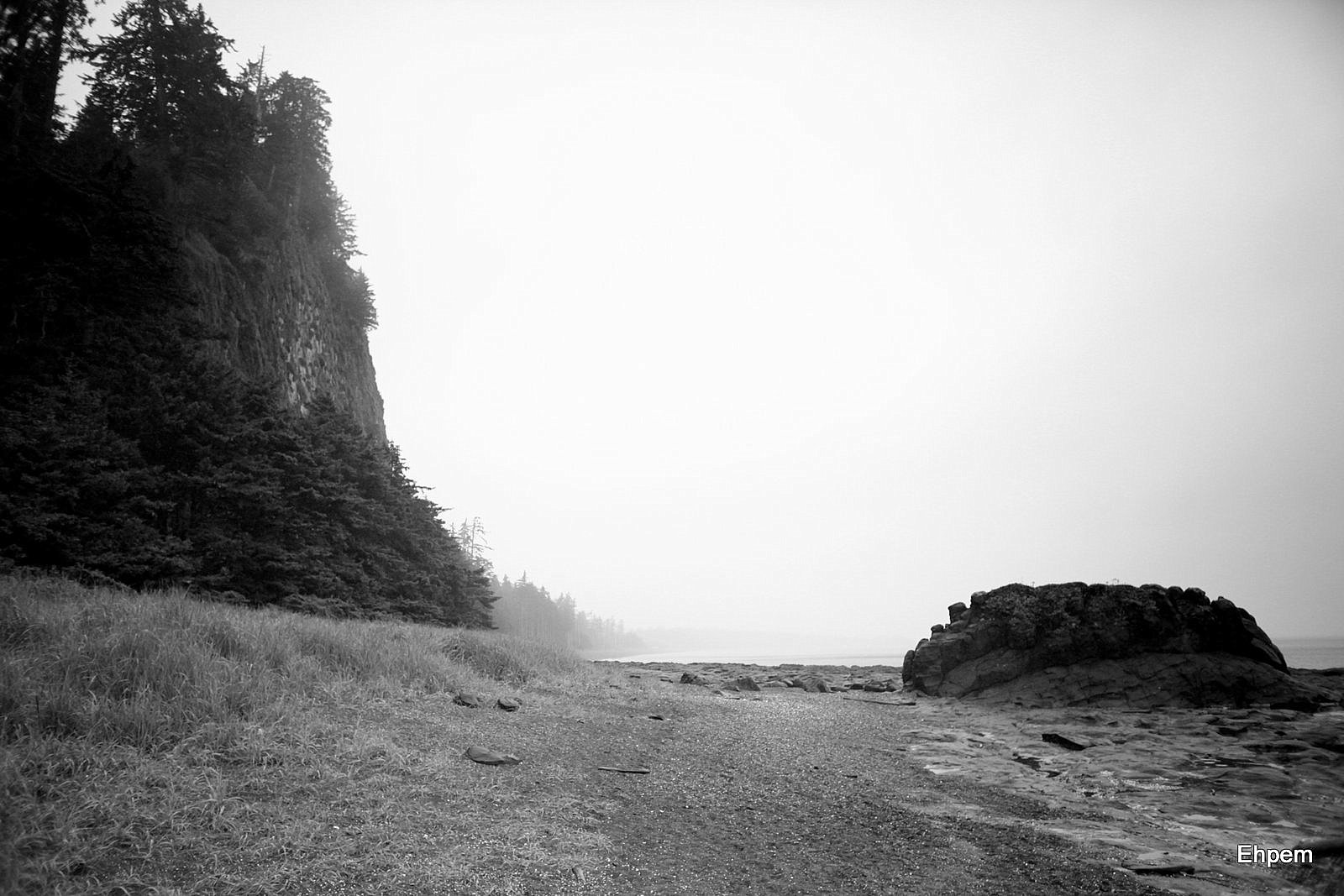
On our trip to Haida Gwaii we went to Tow Hill, as do most visitors to the area. It is located well east of Massett along North Beach at the mouth of the Hiellen River and within Naikoon Provincial Park. In geological terms Tow Hill is a volcanic plug comprised of columnar basalts that are visible on its ocean face. Tow Hill is also the location of important stories in Haida oral history, and the signage at this location reflects that; more on one story below. To see this location on a map, go to this link – Tow Hill in centre.
First, a bit of an explanation about the photos, since this is first and foremost a photo-blog. It so happened that the only rain we experienced on our visit was this day. And it rained steadily, the kind of rain that is hard to see, but necessitates fast wiper speeds. The kind of rain that coats mud all over the (white) car, thrown up from the dirt road, but the kind of rain which washes it all off once you hit pavement again. It was like being in a cloud, in fact we were in a cloud, and we both got soaked, though it was warm and not uncomfortable. And that goes some way to explaining why my pictures look like they were taken in a cloud. The rest of the explanation is that I got a fog on the inside surface of the lens filter, which I thought was rain on the outside and kept on trying to wipe off (there was lots of rain on the filter too). But, not wanting to point the filter upwards for a closer look (to keep it as dry as possible), I did not notice the inner fog for a long time. Thus, the foggy feel is very much enhanced in these photos and it threw off the colour necessitating a black and white treatment, and higher contrast too, to cut through some of the fog. (more…)
Sangan Shorebirds

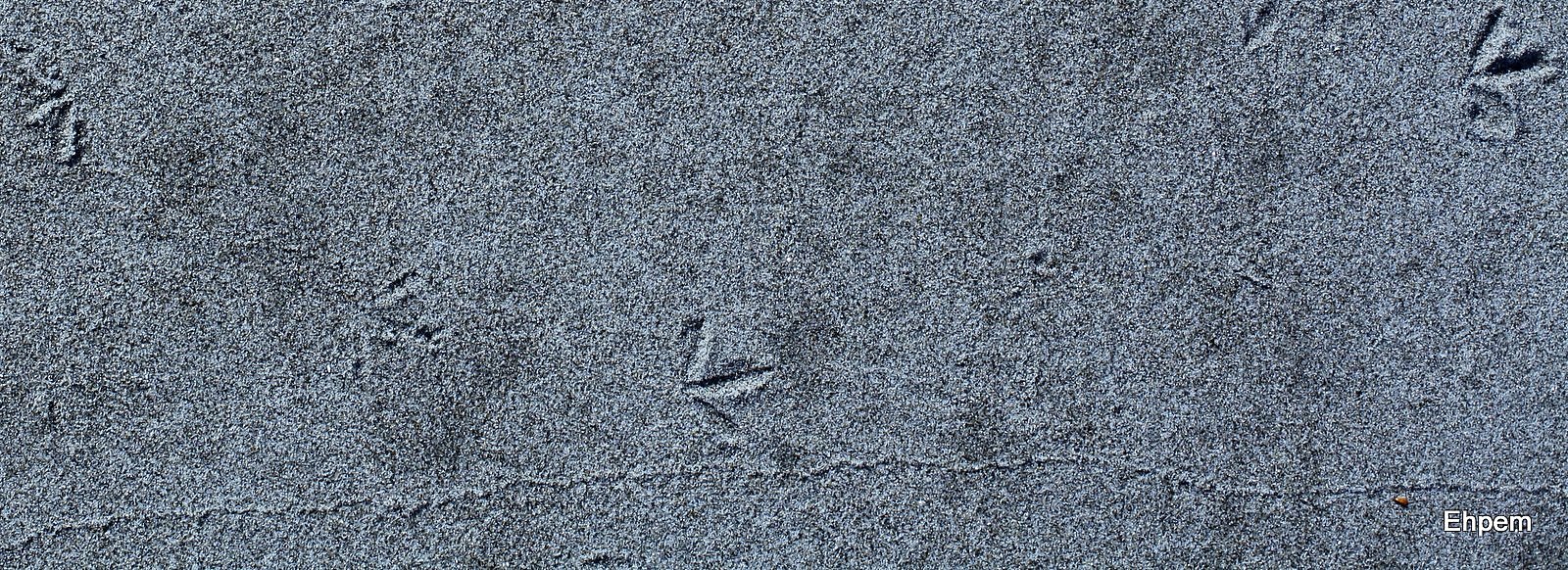
Another view from the mouth of the Sangan River. These shorebirds were present in the dozens, always staying just ahead of us, and not really a subject for a 100mm lens, but I did not take a longer lens to Haida Gwaii this trip. I am not a bird photographer, but I was intrigued to try the focusing speed of my new lens on a moving subject like this, and was very pleased with the results. These are all quite heavy crops as the birds are shy of us humans and I did not have the time to sit around in one place waiting for them to come to me. In any case, that likely would have been a futile effort as a couple of kids were just down the beach, with their dog.
(more…)
Top Posts & Pages – Click Thumbnail To View


Recent Comments
♦ FUJITA (藤田光学工業) H.… on Fujitar P.C 35mm F2.5 Asahifle… ehpem on Child’s Grave Kyle Hoyt on Child’s Grave ehpem on Charles Elliott Pole, Universi… Lisa Kadonaga on Charles Elliott Pole, Universi…


 burnt embers