Blog Geography

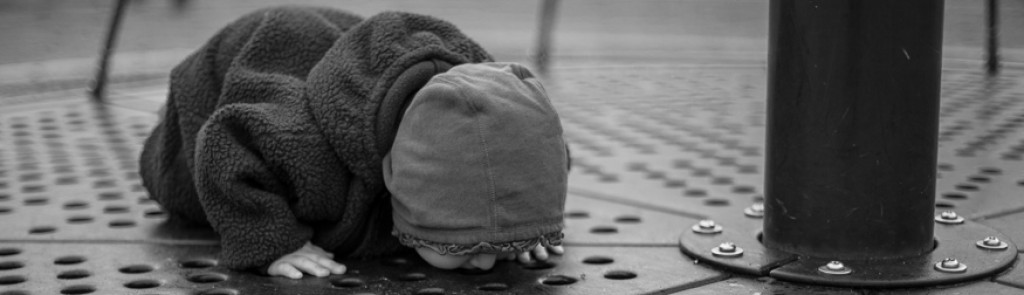
Today’s post is about a map that I have been developing as a geographical guide or index for my blog. But since that is a bit dry and the associated images are boring maps I also include the image above since I aim to include at least one of my photographs in each of my posts. This was taken on Harling Point, very close to Sahsima, the transformer stone frequently featured in this blog, but this time at a very low tide. There must be an undulating surface beneath the eel-grass in the foreground, perhaps a series of glacial striae?
BTW, yesterday was my 200th post – I missed that go by (I must be getting a bit blasé about this posting business). The second hundred went by way faster than the first hundred.
Wide Sahsima

Yet another face of the multiple personalities of Sahsima, the transformer stone on Harling Point.
(more…)
Trafalgar Sunrise – Lens Test
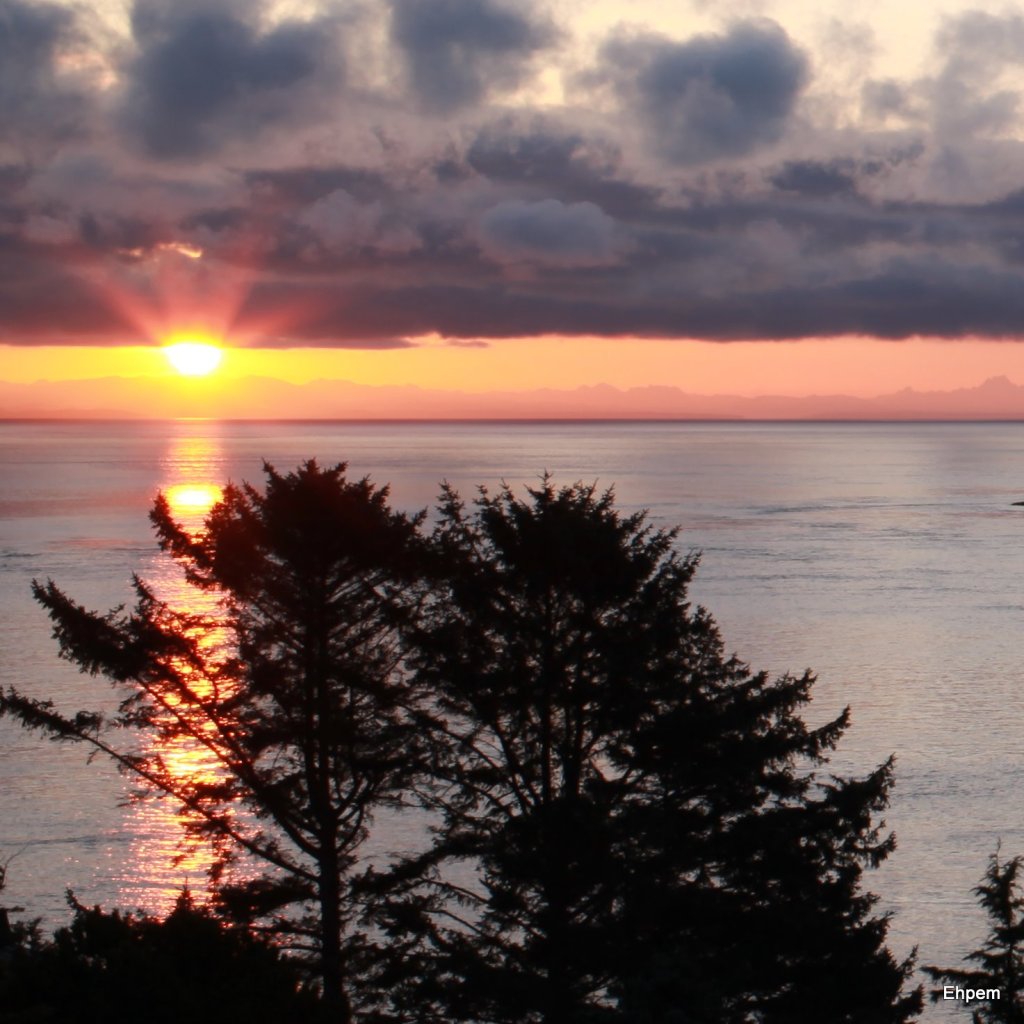
As I mentioned in earlier posts I have recently adapted a Nikkor 24mm/f2.8 lens and a Takumar 35mm/f3.5 to use with my Canon 5Dii. Adapting both these lenses required more than buying an adapter. The Nikon needed the removal of a rear flange, and the Takumar required a bit of filing around the upper part of the rear lens element housing. On Friday I went out to the high point in Trafalgar Park to see the sunrise, and take pictures. I decided to test the two wide-angle lenses against my Canon 50mm/f1.4 that I bought with the camera, for my own purposes. However, I have had a number of queries about adapting these old manual lenses so I have decided to post my tests for those of you that are interested or may be considering adapting some old lenses you have lying around, or which you can buy on the used market for a fraction of the cost of a new one. One of the real advantages of these lenses is for video work as it allows the f-stop to adjusted while you video, and as they are manual focus – this gives more of the “cinematic feel” missing from all but the most expensive dedicated digital video cameras.
Before buying a used lens read up on your camera and what will adapt to it on the internet since each model can be very specific (unless its very, very cheap like a $2 28mm macro that I bought – it won’t adapt to the 5Dii, but as it turns out will fit on my son’s Micro 4/3 to which nearly anything will adapt, if what I have read is correct). For instance, the 35mm Takumar lens works fine on the EOS 5D, but on the EOS 5Dii it hangs the mirror up on its return – barely any contact, but enough to make it non-functional and potentially damaging to the mirror. Wider Takumar lenses don’t work and may not be able to be adapted. K-Mount Takumar lenses are said to not be able to be adapted to the 5Dii. And so on.
(more…)
Bridge Barge V
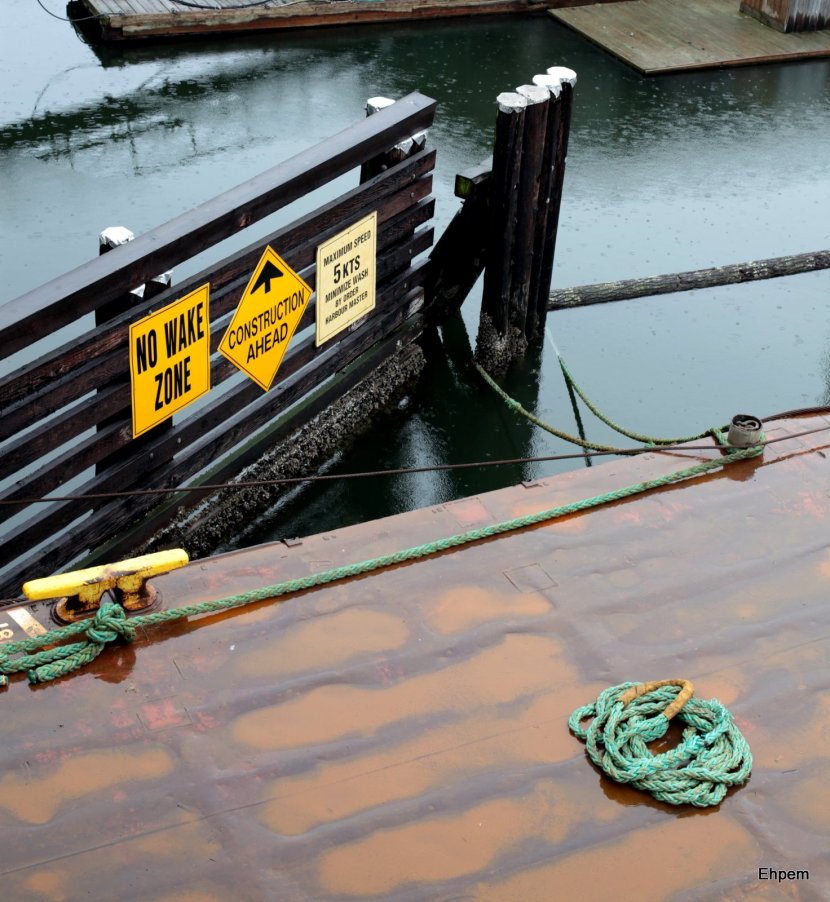
My final set of images associated with the barge used to dismantle the bridge. Somewhere in one of the posts in this series I mentioned that I had only a short time to take pictures and that it was hard to get a good vantage for photographing the action and thus my eye turned in the opposite direction. In the end I took more pictures of this barge which was slotted under the bridge with the big red crane resting on the other end from where I could see, than I did of the bridge itself. I lead today with the colour version of a photo I posted a while back called Bridge Barge II. At first I really preferred the black and white version that I posted before, but when I cam across the un-cropped and only lightly processed colour version again yesterday, I realised that it had its own merits, and on balance I think I prefer the colour version, right now. Ask me next week, and I will probably be back to the black and white again.
(more…)
Troubled Bridge III
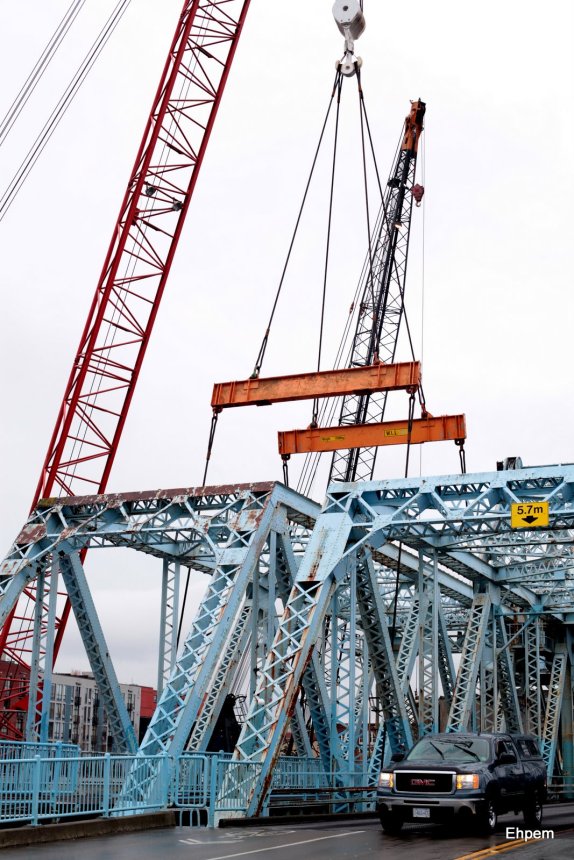
More pictures from the removal of the railway span of Victoria’s Johnson Street Bridge a few weeks ago. These pictures are taken on three different days. Included is a picture of the smaller crane barge being towed towards the harbour through the Strait of Juan de Fuca – I happened to be taking pictures on the beach in front of Beacon Hill Park when it went past.
Wide Tide Pool
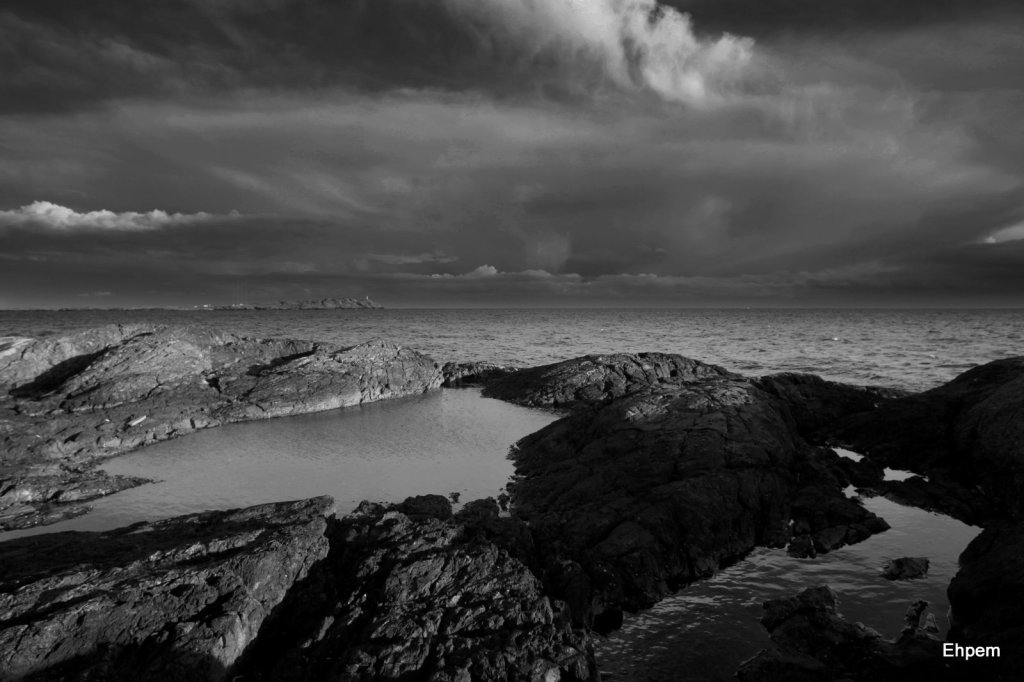
This Harling Point tide pool has previously graced my blog, with long exposures and a 50mm lens. Last weekend I was down there again at a good low tide with the 24mm lens on the camera. Here are a couple of shots by way of comparison. It is interesting to compare with the 50mm shots how much Trial Island recedes into the distance and how much tide pool comes to dominate as the subject of the photo.
(more…)
Adirondack Sunset
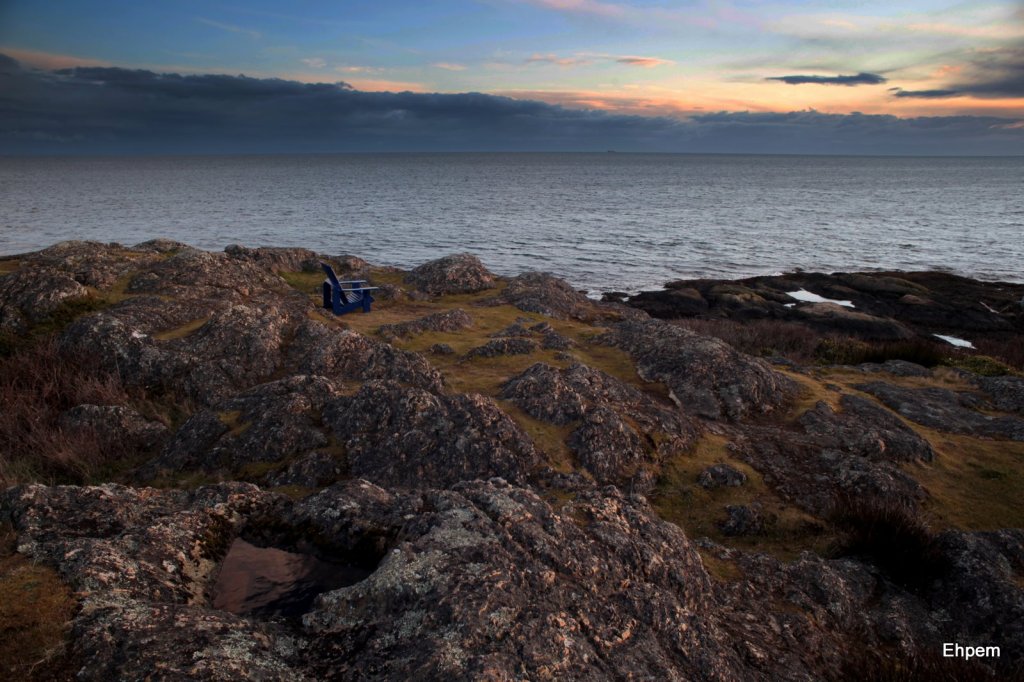
Yet another post about the Adirondack chairs placed along our public waterfront – someone put them out here, and everyone leaves them alone, except for sitting.
This is the chair on the rocks at the end of Harling Point which I have featured before. It often has someone sitting in it. When I took this photo the sunset was pretty much done, the painter that I featured the other day was wrapping up just over to the right and it was really quite chilly.
(more…)
Top Posts & Pages – Click Thumbnail To View


Recent Comments
♦ FUJITA (藤田光学工業) H.… on Fujitar P.C 35mm F2.5 Asahifle… ehpem on Child’s Grave Kyle Hoyt on Child’s Grave ehpem on Charles Elliott Pole, Universi… Lisa Kadonaga on Charles Elliott Pole, Universi…


 burnt embers